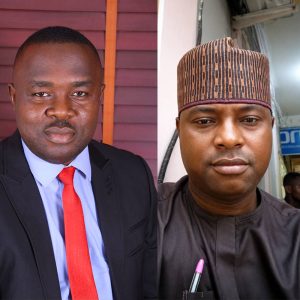
Lawal Akus: The Star Boy of the Kogi Assembly?
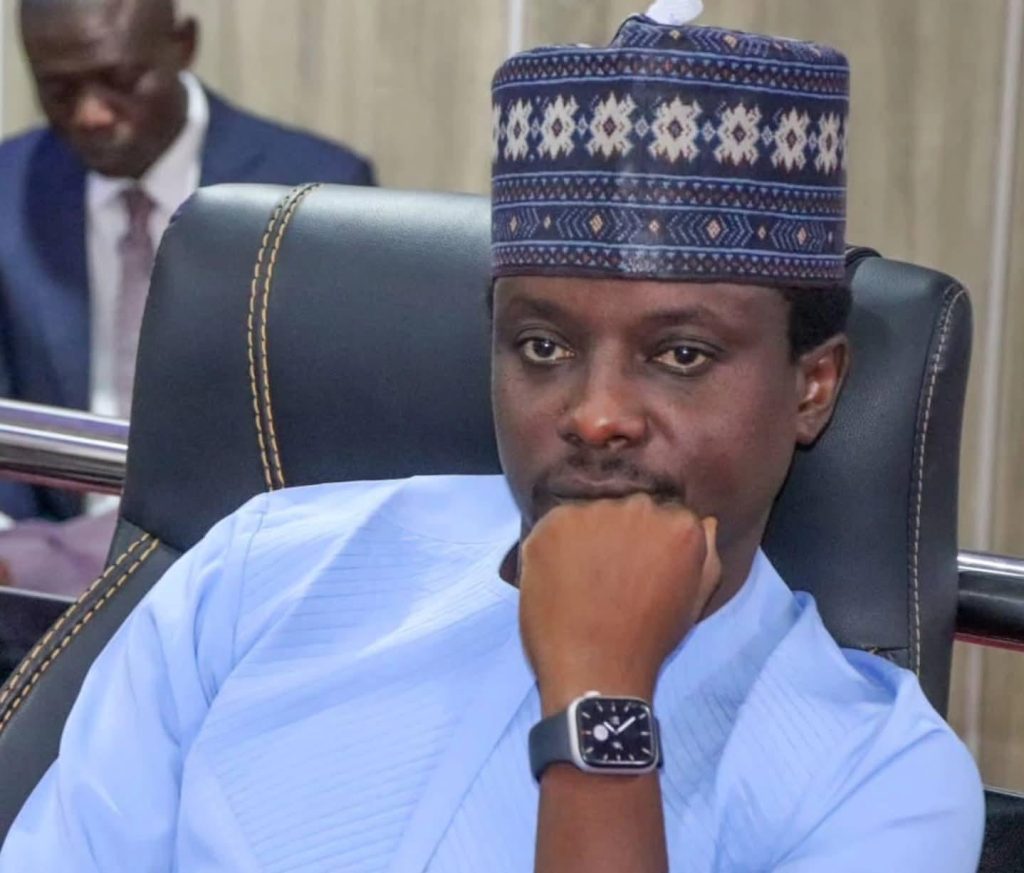
By Abdul Mohammed Lawal.
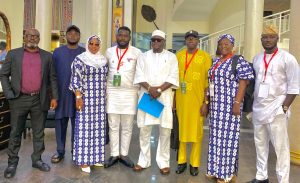
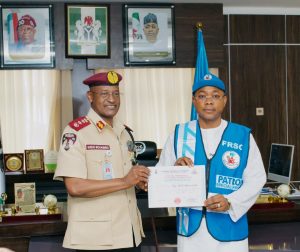
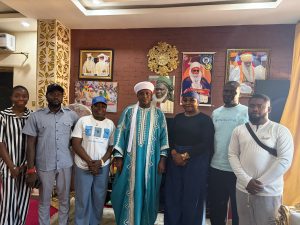
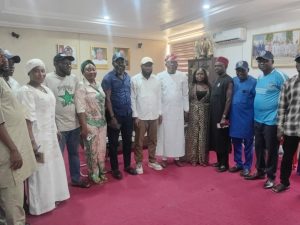
A couple of days ago, something happened within the political space of Kogi State, but the meaning of that moment was louder than many people may realise. It happened during two different outings where returning members of the Kogi State House of Assembly presented their nomination forms to Alhaji Yahaya Bello, CON, and Alhaji Ahmed Usman Ododo. In the middle of the gathering, among lawmakers who had all come for the same purpose, one person was publicly singled out for praise and encouragement. That person was Lawal Akus.
Both the former governor and the incumbent governor openly acknowledged him and encouraged him to continue what he was doing. For many people, it may have looked like an ordinary political moment. But in reality, moments like that are never ordinary in Nigerian politics. Public recognition at that level, especially in the presence of fellow politicians and contemporaries, does not happen carelessly. It usually means one thing: somebody is doing something right.
And for a long time now, Lawal Akus has gradually built the kind of political presence that is difficult to ignore.
One thing that separates politicians from one another is that while some merely occupy office, others create visibility around their office. Some hold power quietly, while others make people constantly feel their presence through engagement, accessibility, and direct connection with the grassroots. This is where Lawal Akus appears different from many of his contemporaries in the Assembly.
For some of us who follow the activities of the Kogi State House of Assembly closely, there has been a growing feeling that Akus goes beyond the normal expectations attached to his office. He appears to push himself beyond what the office alone can naturally provide. And perhaps, that is why people continue to notice him.
In the same assembly, there are lawmakers with bigger political structures, there are those with stronger financial power, and there are others with longer political experience. But politics has never been only about title or money. Today, it is about presence, it is about how often people see your impact, hear your name positively among the grassroots, or feel connected to your activities even outside official government functions. That is something Akus seems to understand very well.
What makes his rise even more interesting is that the goodwill around him did not completely start after he entered the office. It is obvious that he already built relationships and grassroots acceptance long before becoming a lawmaker. The office only amplified what already existed. And this is important because many politicians make the mistake of depending completely on the power of the office to remain politically relevant. Once the office disappears, the popularity disappears too.
But politicians who build genuine goodwill before office often survive politically because the people already see them beyond government titles. In many ways, that appears to be the advantage Lawal Akus currently enjoys.
There is also something else that must be said honestly. Politics is not a game where everybody will like you. Every active politician naturally attracts both admiration and criticism. Akus himself is not exempt from that reality. Like every human being in politics, he has both strengths and flaws. But even those who criticise him can hardly deny that he has become one of the most visible young lawmakers in the Kogi Assembly.
And visibility in politics is not accidental. It comes from constant engagement. It comes from energy. It comes from staying connected to the people. And it comes from making people feel that leadership is present and accessible.
This is probably why the public praise from Yahaya Bello and Governor Ododo carried weight beyond ordinary compliments. Leaders at that level observe more than many people think. They watch loyalty, consistency, grassroots acceptance, political energy, and public perception. So, when both of them openly encourage a lawmaker in the presence of others, it sends a message that the individual is being noticed at the highest level of the political structure.
Perhaps that affirmed why people see Lawal Akus as the star boy of the present Assembly. Not necessarily because he holds the biggest office, not because he is the loudest politician, but because his political presence continues to grow naturally around the people. And in today’s politics, that kind of growth is powerful.
For me personally, I have always found myself placing Lawal Akus in a category of his own whenever conversations about performance within the Assembly come up. Not because others are not working, but because he appears willing to go the extra mile more than what his office alone could ordinarily provide. That difference is beginning to speak loudly for him. And maybe that was exactly what was reflected during that recent gathering.
Maybe what people witnessed was not just a governor and a former governor praising a lawmaker. Maybe it was the political establishment acknowledging a young politician whose presence within the system is becoming too visible to ignore.
Whether people like him or not, it is clear that Lawal Akus is no longer just another member of the Kogi State House of Assembly.
He is becoming one of the defining political faces of the present Assembly generation.
About Post Author