Maikano and the Task of Repositioning Nigeria’s Fiscal Responsibility Mandate
In the management of public finance, institutions matter. But even more important are the men and women entrusted with breathing life into those institutions. Laws can prescribe discipline. Regulations can demand compliance. Yet it often takes a determined steward to transform lofty provisions into measurable outcomes.
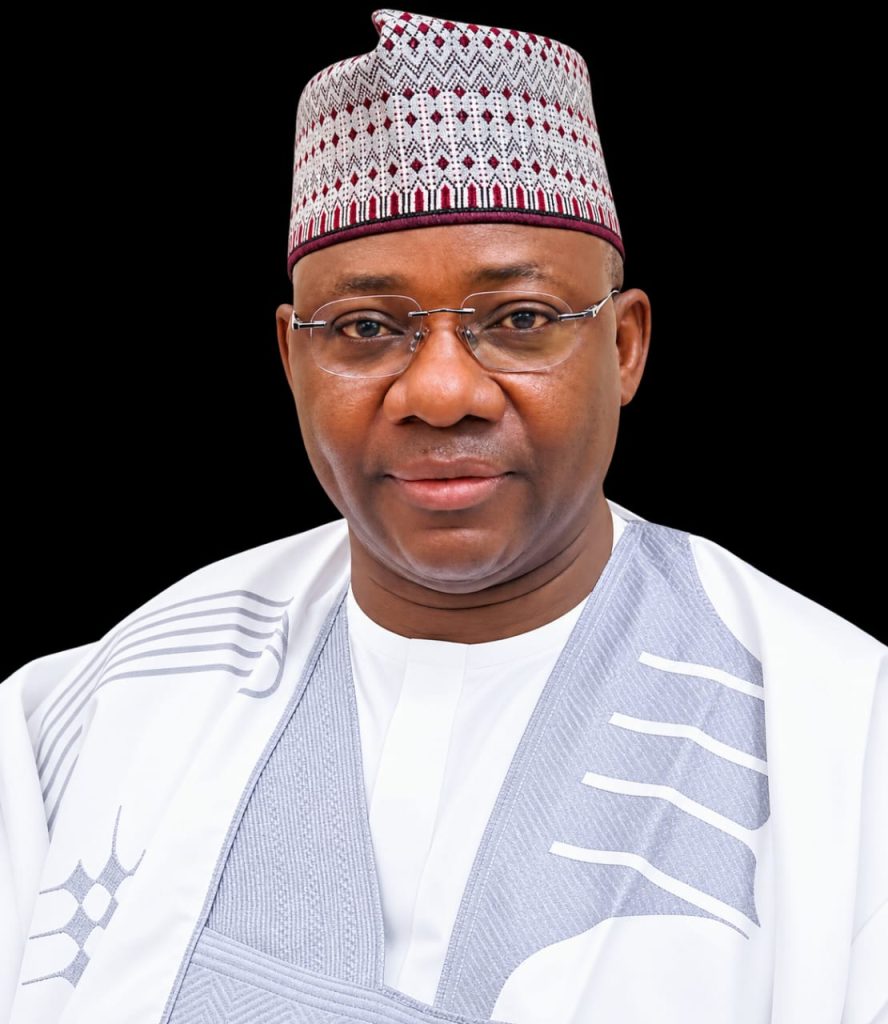
That is why the appointment of Dr. Abdullahi Maikano Saidu as Executive Chairman of the Fiscal Responsibility Commission (FRC) deserves attention beyond the routine fanfare that accompanies federal appointments. It presents an opportunity to restore urgency to one of the most consequential but least celebrated mandates in Nigeria’s governance architecture.
The Fiscal Responsibility Commission was established under the Fiscal Responsibility Act of 2007 to serve as the nation’s institutional conscience on public finance. Its mission is simple but profound: ensure that government revenues, expenditures, borrowing and resource allocations are conducted transparently, prudently and in accordance with the law. Yet nearly two decades after its creation, Nigeria still grapples with chronic fiscal leakages, rising debt obligations, weak compliance by public institutions and an enduring culture of financial opacity.
The challenge before Maikano, therefore, is not merely administrative. It is transformational.
His appointment comes at a moment when Nigeria can no longer afford the luxury of fiscal indiscipline. Every naira lost to inefficiency is a classroom not built, a hospital not equipped and a road left unfinished. The country’s economic ambitions will ultimately rise or fall on the quality of its public financial management.
Fortunately, Maikano’s professional trajectory suggests a man forged in the disciplines that matter most for the assignment. An accomplished accountant, public finance expert and anti-corruption advocate, he has spent decades navigating the intricate mechanics of financial accountability. His experience spans the power sector, private accounting practice and the Independent Corrupt Practices and Other Related Offences Commission (ICPC), where he earned a reputation for promoting transparency and institutional integrity.
What distinguishes effective public servants is not merely technical competence but a willingness to challenge entrenched habits. Throughout his career, Maikano has demonstrated a consistent belief that public resources should serve public purposes. His training in forensic auditing, financial investigations and international reporting standards reflects a professional who understands that accountability is not an abstract virtue but a practical instrument of development.
The task ahead demands precisely that mindset.
The Fiscal Responsibility Commission must evolve from being perceived as a regulatory observer into becoming a strategic enforcer of fiscal discipline. Government agencies that ignore statutory requirements for audited accounts and financial disclosures must understand that compliance is not optional. Fiscal responsibility cannot remain a slogan recited at conferences and forgotten in boardrooms. It must become a measurable culture across government institutions.
This is where Maikano’s leadership will be tested.
He must champion greater transparency in public finance reporting. He must strengthen oversight mechanisms that ensure Ministries, Departments and Agencies comply fully with the Fiscal Responsibility Act. He must leverage technology to improve monitoring and reporting systems. Above all, he must make the Commission visible and relevant to ordinary Nigerians whose lives are directly affected by fiscal decisions.
The real value of fiscal responsibility is not found in accounting ledgers. It is found in the quality of governance it produces. When budgets are realistic, debts are sustainable and revenues are properly accounted for, citizens experience the benefits in jobs, infrastructure, healthcare and economic stability.
History suggests that institutions often mirror the convictions of their leaders. At its best, the Fiscal Responsibility Commission can become a powerful guardian of national resources and an indispensable pillar of economic reform. At its worst, it risks becoming another bureaucratic checkpoint in an already crowded governance landscape.
The difference will depend on leadership.
For Maikano, the assignment is clear. The Commission he now leads occupies a strategic position at the intersection of accountability, development and national prosperity. His challenge is to transform statutory powers into tangible results and legal provisions into public confidence.
Nigeria does not need more regulations. It needs institutions that work.
And in Dr. Abdullahi Maikano Saidu, the country may have found a fiscal custodian equipped with the experience, professional discipline and reformist instincts required to ensure that the promise of fiscal responsibility becomes more than an aspiration.
The wand is now in his hands.
Abdullahi O Haruna Haruspice is a strategic communication expert,author and columnist
About Post Author