PAAU School Fees: Kogi Commissioner Says Increase Followed 2024 Directive
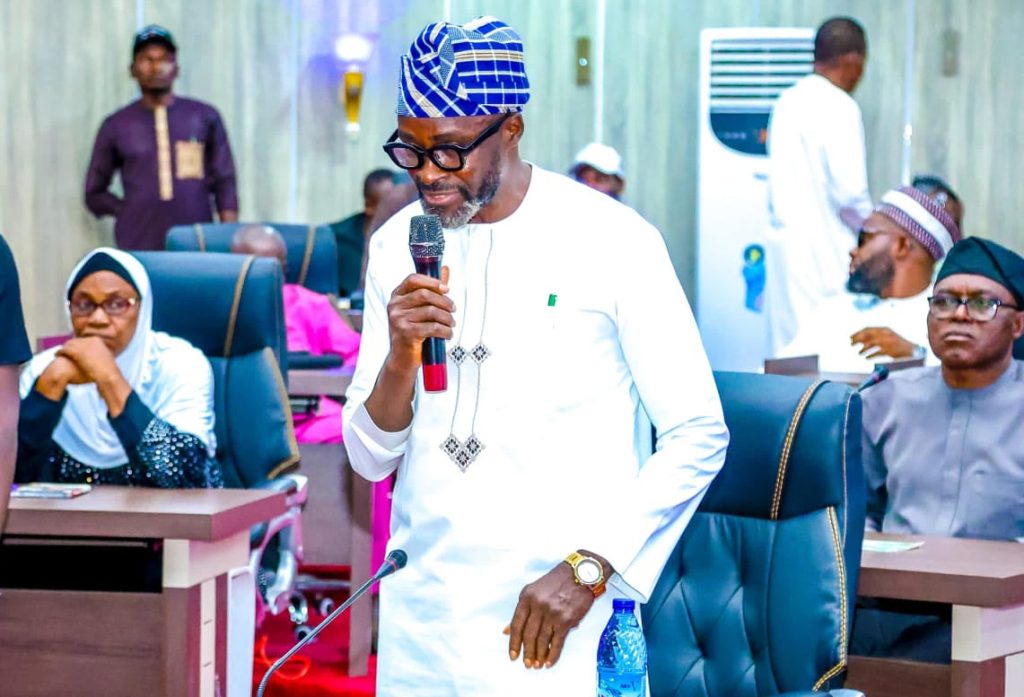
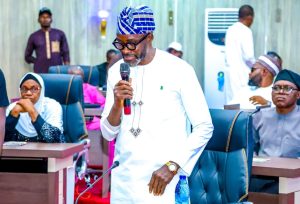
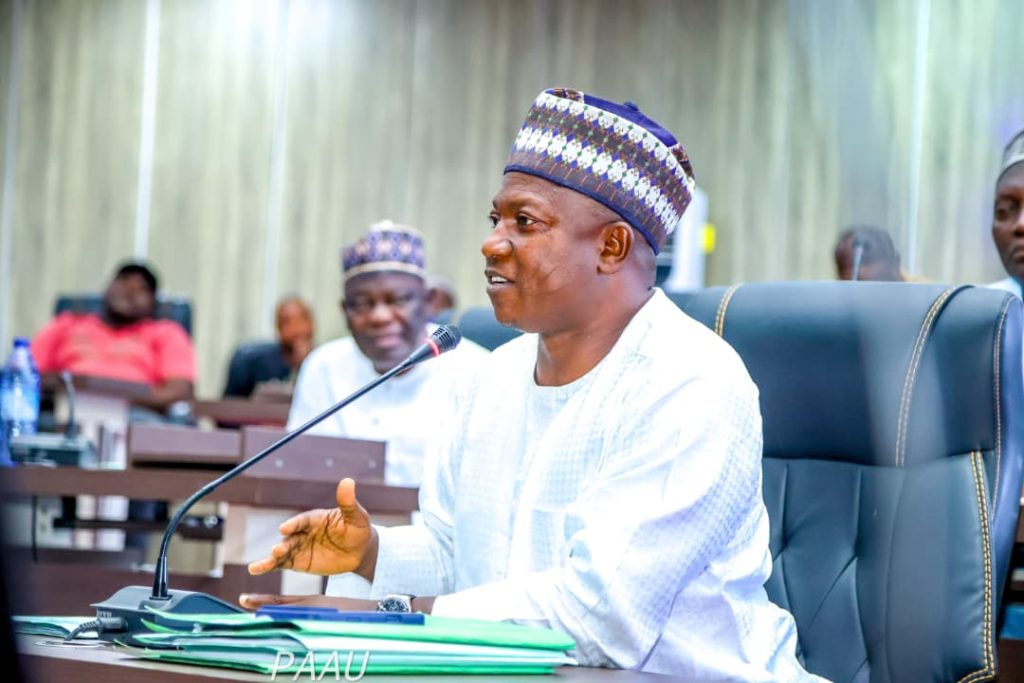
Kogi State Commissioner for Education, Wemi Jones, speaks during the Assembly's public hearing on the PAAU school fees controversy in Lokoja.
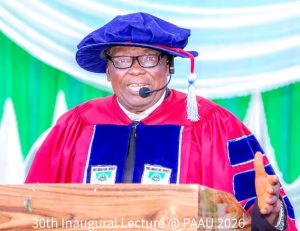
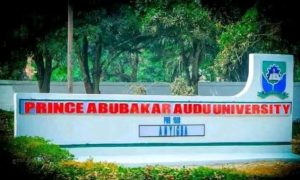
The Kogi State Government has defended the controversial increase in school fees at Prince Abubakar Audu University (PAAU), Anyigba, saying the current Vice-Chancellor, Prof. Salisu Ogbo Usman, was only implementing a government directive issued in 2024.
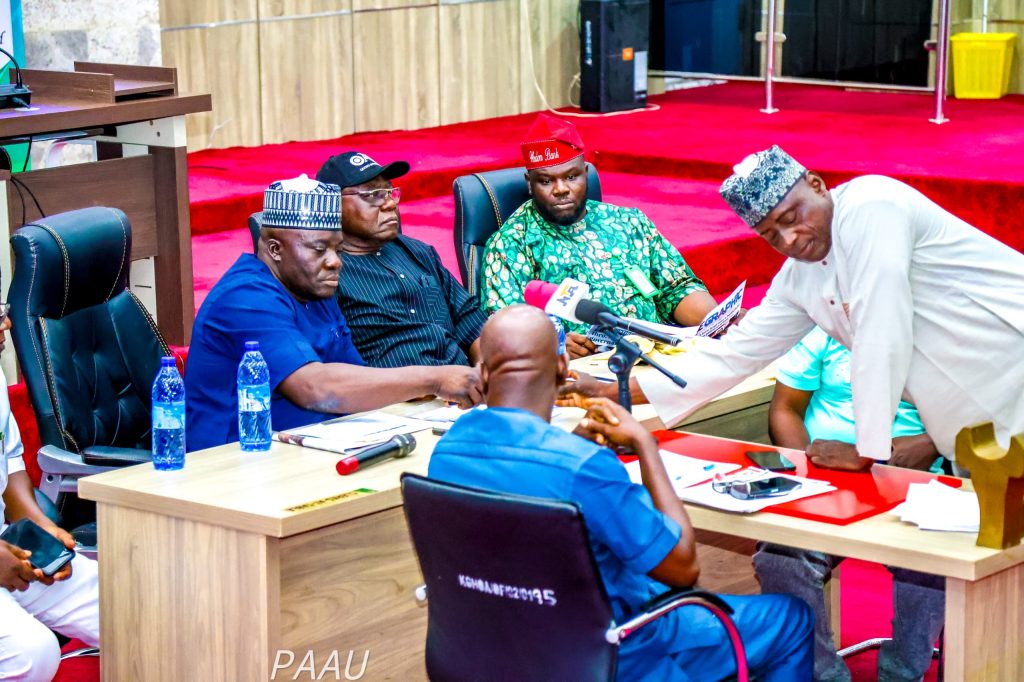
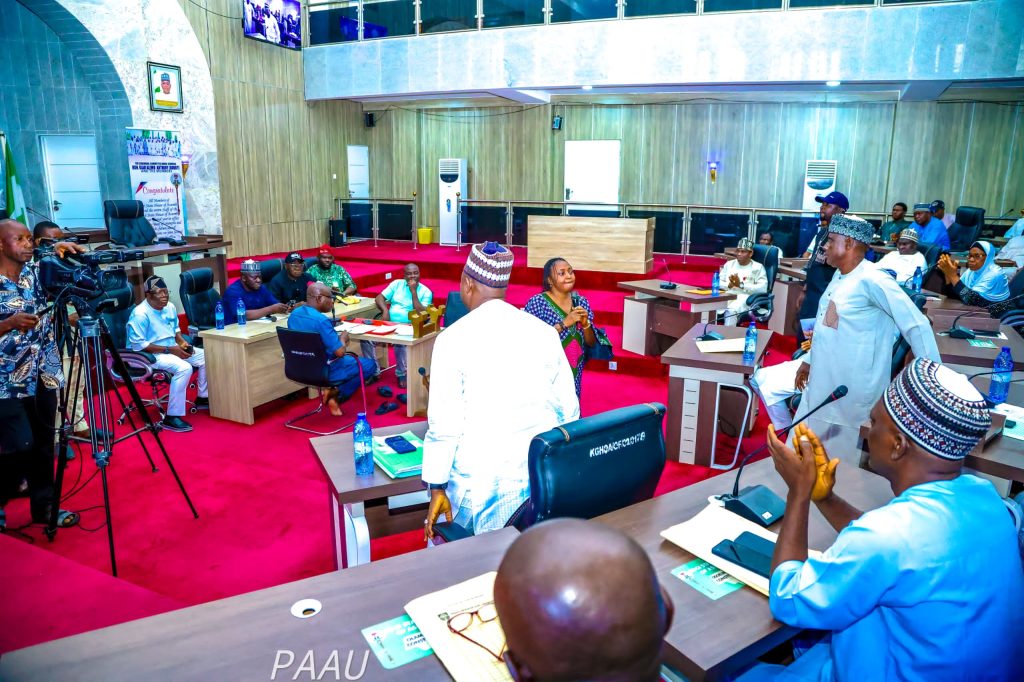
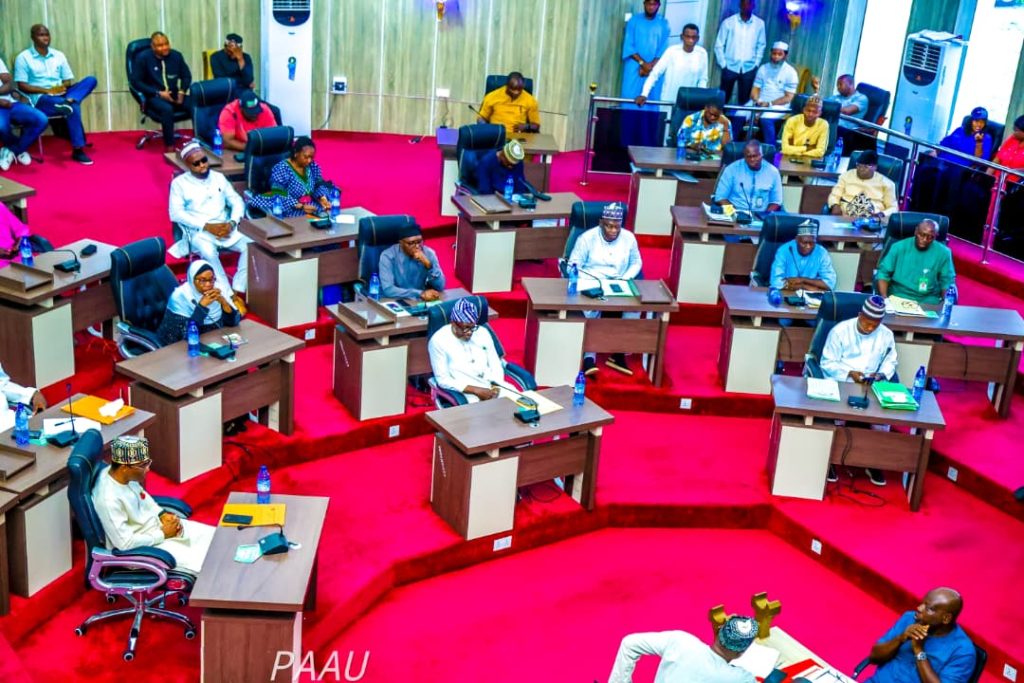
The State Commissioner for Education, Hon. Wemi Jones, made the clarification on Monday during a public hearing organised by the Kogi State House of Assembly Committees on Education and Public Petition at the Assembly Complex in Lokoja.
The hearing was convened to investigate petitions concerning the increase in school fees at PAAU and the Kogi State Polytechnic, Lokoja.

Jones explained that the decision to harmonise fees across state-owned tertiary institutions predated the appointment of the current PAAU Vice-Chancellor and was not an independent initiative of the university management.
According to him, the Ministry of Education usually constitutes a committee to examine relevant factors whenever the need arises to review tuition fees in state-owned institutions.
He disclosed that the communication directing the implementation of the revised fees at PAAU had been issued in 2024 but was not properly implemented until Prof. Usman assumed office and enforced the directive.
The commissioner consequently rejected suggestions that the current Vice-Chancellor personally introduced the fee increase, maintaining that the university was implementing an existing government policy.
Addressing concerns about the Nigerian Education Loan Fund (NELFUND), Jones said the government’s unified school fees arrangement was conceived before the student loan scheme became widely known.
He maintained that the government did not introduce the fee review on the assumption that students would rely on NELFUND to finance their education.
Instead, he described the loan scheme as an additional opportunity for students to access financial assistance rather than the basis for increasing tuition fees.
Speaking at the hearing, the Vice-Chancellor, Prof. Salisu Ogbo Usman, corroborated the commissioner’s position, explaining that his administration was implementing a circular from the Ministry of Education on the harmonisation of fees across state-owned tertiary institutions.
He also linked the review to the financial requirements of sustaining specialised academic programmes, particularly medical programmes, which he said require substantial capital investment.
Usman explained that PAAU initially commenced medical programmes in 2012, but the programmes were unsuccessful before being reintroduced under the administration of the immediate past Vice-Chancellor, Prof. Marietu Tenuche.
He said the financial implications of advancing medical education informed the government’s decision to review the fees in 2024.
The Vice-Chancellor added that his administration was enforcing the existing directive in response to prevailing economic realities.
Providing details of students benefiting from NELFUND, Usman disclosed that 4,032 PAAU students had been approved for the scheme, including access to the additional N20,000 upkeep allowance.
He further revealed that N562,600,800 had been approved for disbursement to the institution.
The Vice-Chancellor urged eligible students from Kogi State to take advantage of the scheme to ease the financial burden of their education.
To provide a comparison of PAAU’s fees with those of other institutions, Usman cited the University of Agricultural Sciences, Ekiti State, where he said students pay N357,000, compared with N178,000 at PAAU.
He also referenced Osun State University, where medical students reportedly pay N1,382,500, compared with slightly above N500,000 at PAAU.
Usman commended the administrations of former Governor Yahaya Bello and incumbent Governor Ahmed Usman Ododo for their contributions to sustaining tertiary education in Kogi State.
He also acknowledged the Federal Government’s introduction of NELFUND under President Bola Ahmed Tinubu, saying the initiative had helped students and parents manage the financial demands of higher education.
Meanwhile, the Rector of Kogi State Polytechnic, Lokoja, Prof. Sanusi Avidime, maintained that the institution had not increased its school fees.
Avidime expressed surprise at the petition against the polytechnic, stating that he was unaware of the complaint until his arrival at the Assembly Complex for the hearing.
He explained that rather than increasing charges, the institution had reduced its accommodation fees by N5,000 following complaints from students, parents and other stakeholders over prevailing economic challenges.
He consequently described the petition against the polytechnic as ill-advised and lacking merit.
Representatives of student organisations also presented their positions at the hearing.
The President of the National Association of Kogi State Students (NAKOSS), Comrade Isiaka Amoto, and the Chairman of the National Association of Nigerian Students (NANS), Comrade Adams Abdulrazaq, said their engagements with the PAAU management had provided further clarification on the circumstances surrounding the fee increase.

However, they appealed to the state government to consider the economic difficulties facing students and their families.
The student leaders consequently called on the government to reduce the fees.
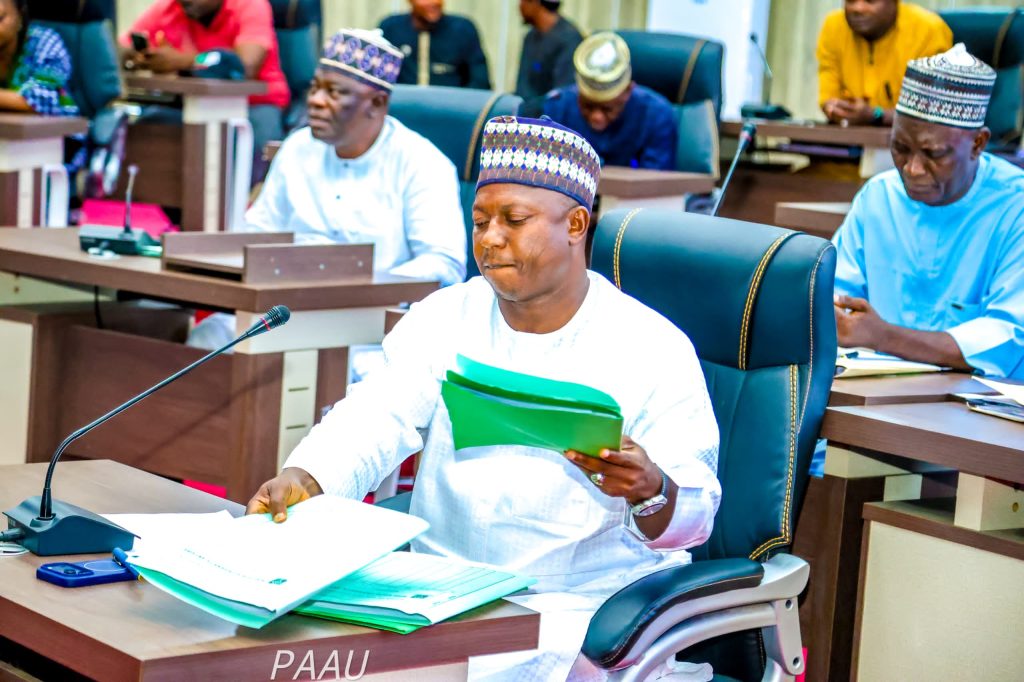
The public hearing was presided over by the Chairman of the House Committee on Education and member representing Kogi/Koton-Karfe Constituency, Hon. Idris Aliyu Makurdi, alongside the Chairman of the Committee on Public Petition and member representing Ogori-Magongo Constituency, Hon. Bode Ogunmola.
Other lawmakers present included Hon. Jibril Onoru-Oiza Abu, representing Ajaokuta Constituency; Hon. Bubby Ujah, representing Olamaboro Constituency; and the Clerk of the House.
In his opening remarks, Makurdi said the hearing was organised to examine concerns raised in the petitions, obtain explanations from the affected institutions and provide accurate information to the public.
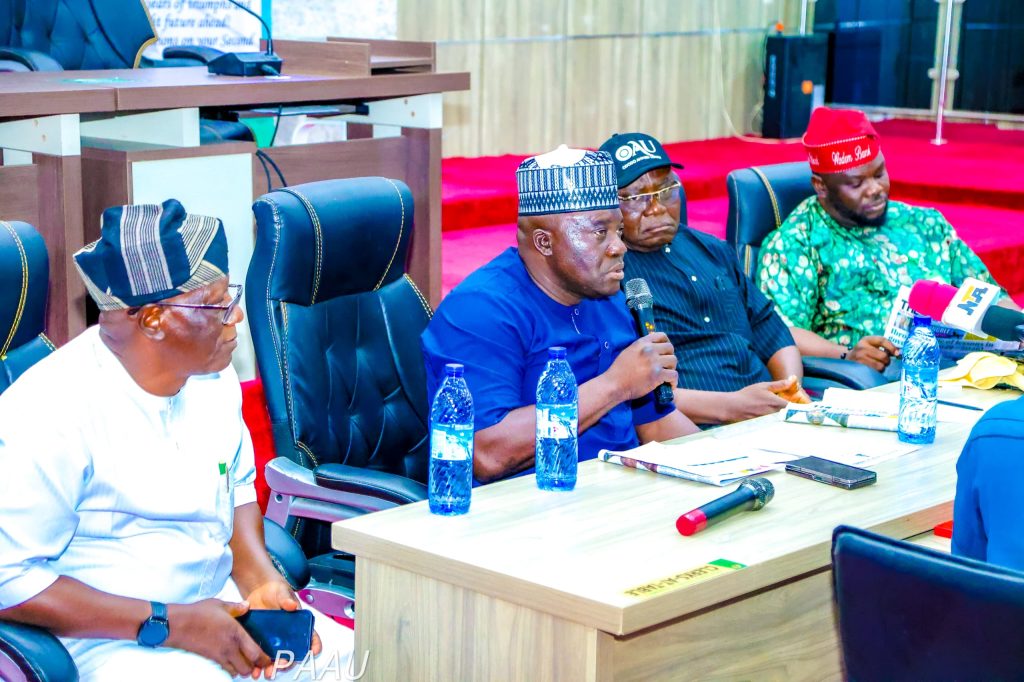
The committee chairmen acknowledged the contributions of university and polytechnic managements, government officials and student representatives.
They also disclosed that the committees would further examine school fees in neighbouring states, the states respective internally generated revenue (IGR) and other relevant factors before reaching a decision.
According to the committees, the investigation would consider the need to sustain tertiary education while protecting the interests of students.
The lawmakers further disclosed that the petitioner or petitioners were absent from the public hearing.
The investigation is expected to continue as the House committees seek to establish the circumstances surrounding the fee review and determine an appropriate way forward.
About Post Author