Kogi Poly Rector Matriculates 4,591 Students, Highlights Expansion, Security Reforms
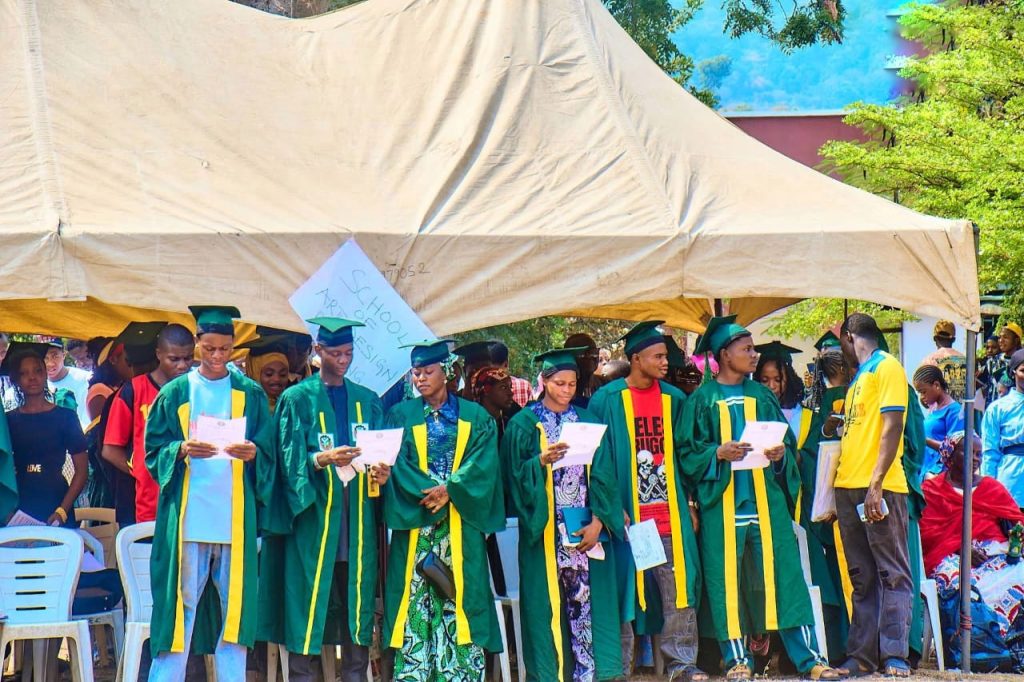
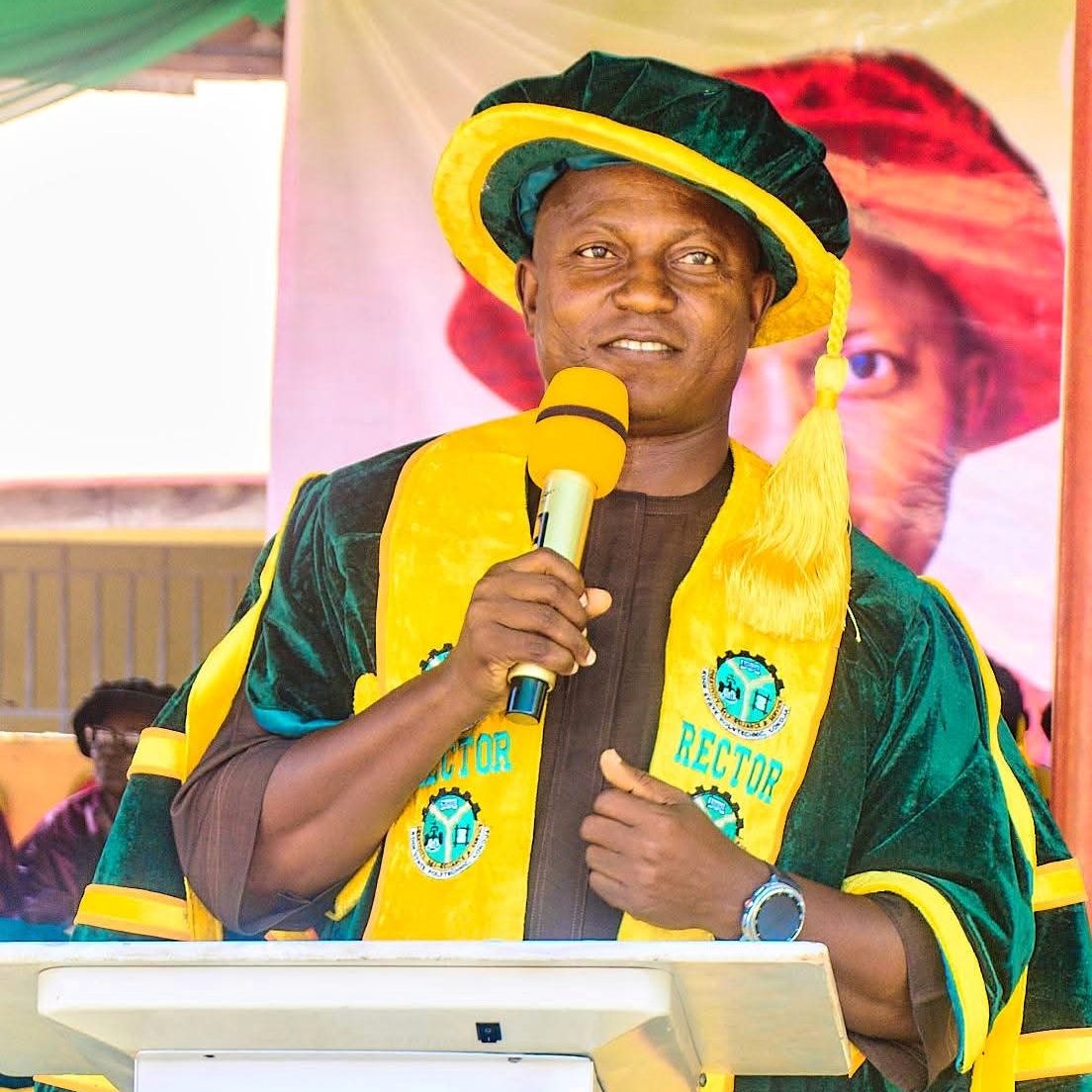
Kogi State Polytechnic, on Thursday, January 8, 2026, formally admitted 4,591 fresh students for the 2025/2026 academic session at its 33rd Orientation and Matriculation Ceremony, with the Rector, Professor Salisu Ogbo Usman, reaffirming the institution’s commitment to academic stability, security and programme expansion.
Delivering his address at the institution’s Matriculation Ground in Lokoja, Professor Ogbo described the ceremony as a significant milestone, noting that it was the sixth matriculation he was presiding over since assuming office. He said the consistent and predictable academic calendar, coupled with far-reaching reforms introduced by the current administration, had positioned the Polytechnic for sustained excellence.
The Rector expressed appreciation to the Governor of Kogi State, Alhaji Ahmed Usman Ododo, for providing what he termed an enabling environment for teaching and learning. He highlighted recent interventions, including the fencing of the Itakpe Campus and the installation of CCTV surveillance systems across both campuses, which he said had significantly improved safety.
He also commended the state government for the implementation of the State Health Insurance Scheme and the extension of tax exemption on the new minimum wage, describing them as major reliefs for staff welfare.
Professor Usman revealed that the Polytechnic’s growing reputation had continued to attract students from across the country. According to him, while students from 26 states were admitted in the 2023/2024 session and 32 states in the 2024/2025 session, the current enrolment covers 33 states of the federation, representing over 91 per cent national spread. He described this development as evidence of the institution’s emergence as a national melting pot and a reflection of Kogi State’s “confluence of opportunities.”
A breakdown of the matriculation figures showed that out of the 4,591 students admitted into seven schools and 57 academic programmes, 2,460 (54 per cent) were enrolled in National Diploma (ND I) programmes, while 2,131 (46 per cent) were admitted into Higher National Diploma (HND I) programmes. The gender distribution stood at 52 per cent male and 48 per cent female.
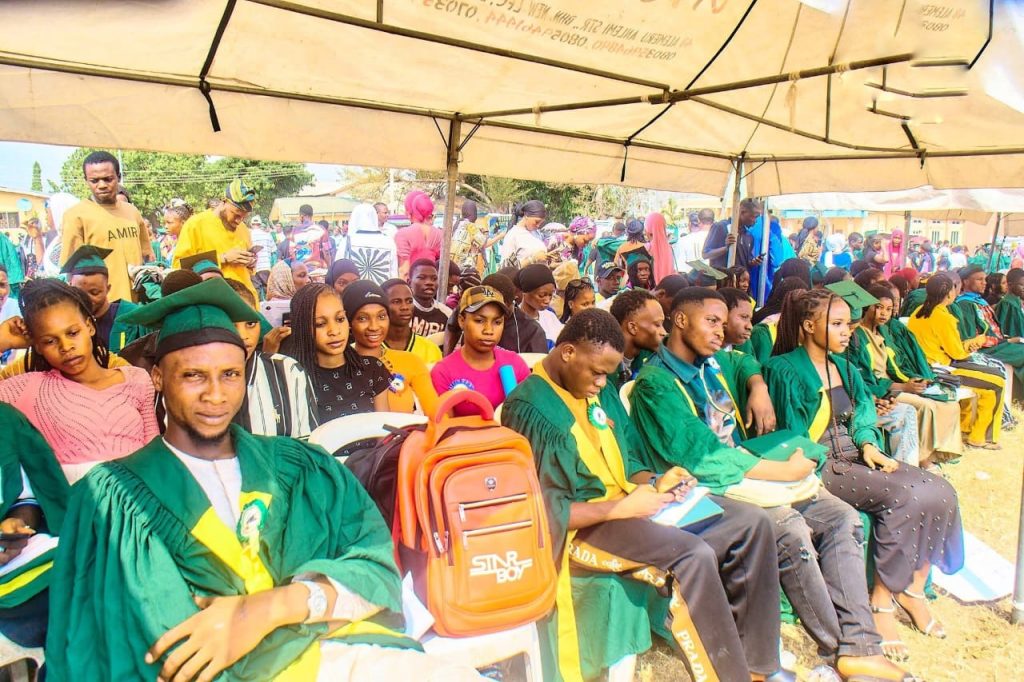
The School of Management Studies recorded the highest enrolment with 2,663 students, followed by the School of Applied Sciences with 1,146 students. Other schools; Engineering Technology, Environmental Technology, Art, Design and Printing, General and Communication Studies, and Agricultural Technology also recorded what the Rector described as healthy enrolment figures, reflecting sustained confidence in the Polytechnic’s programmes.
The Rector further disclosed that 19 out of the 57 programmes currently offered by the institution were introduced under the present administration, representing over 33 per cent expansion in academic offerings. He said the move was deliberate and aligned with national manpower needs and global best practices in technical and vocational education.
Commending staff of the institution, Professor Usman praised both teaching and non-teaching staff for their dedication, with special recognition for cleaners, drivers and security personnel, whom he said played critical but often uncelebrated roles in sustaining the system.
Addressing the newly matriculated students, the Rector congratulated them for emerging successful from what he described as a highly competitive admission process. He assured them of a student-centred learning environment supported by improved infrastructure, modern laboratories, ICT-driven examination systems, a functional library, secure hostels and robust entrepreneurial training facilities.
He warned that the Polytechnic would continue to uphold discipline, transparency and zero tolerance for social vices, stressing that security, moral discipline and academic integrity remained non-negotiable pillars of the institution.
Reflecting on the legacy of the current administration, Professor Usman said the guiding philosophy since assumption of office had been institutional renewal anchored on academic stability, programme expansion, quality assurance, security enhancement and inclusive governance. He listed achievements to include improved accreditation outcomes, faster result computation and release, expanded ICT-based examinations, strengthened staff welfare engagement and the conduct of credible Students’ Union elections, which produced the first female SUG President in the history of the Polytechnic.
He concluded by urging the new students to take full advantage of the opportunities available to them and to conduct themselves in ways that would bring honour to their families, the institution and the nation.
The ceremony attracted members of the Polytechnic management, staff, parents, guardians and other stakeholders, marking another chapter in the institution’s drive to reposition itself as a reference point for polytechnic education in Nigeria.
About Post Author