Kogi State College of Education (Technical), Mopa Trains Academic Staff for Career Advancement
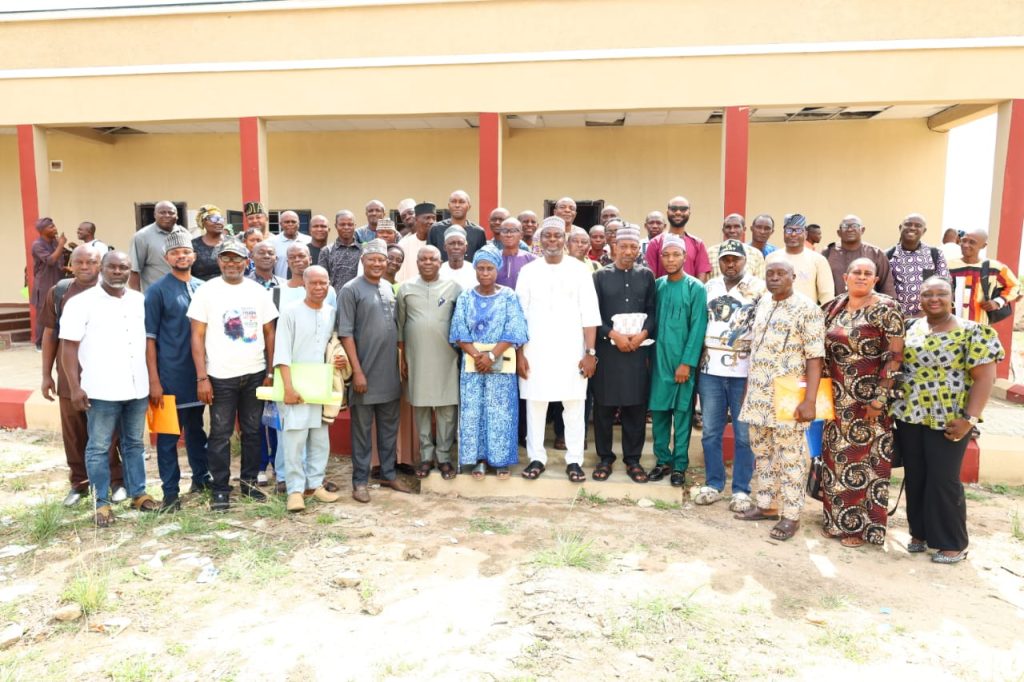
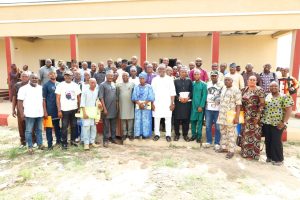
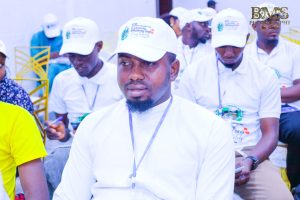
The Kogi State College of Education (Technical), Mopa, in collaboration with MRI Orbitz Solutions, has organized a three-day capacity-building workshop aimed at equipping academic staff with relevant skills for smooth career progression.
Speaking at the opening ceremony, the Provost of the College, Prof MK Ibrahim, noted that the workshop is designed to enhance the capacity of academic staff by providing them with essential tools, knowledge, and competencies required for effective career advancement in the modern educational landscape.
The workshop, themed “Equipping Academic Staff with Relevant Skillset for Smooth Career Progression,” featured presentations from seasoned academics and experts across key areas of research and professional development.
Delivering a lecture on operationalization of research, Prof Olarewaju O Ifatimehin emphasized the need to align research with practical problem-solving, particularly in Science and Technical Education. He stressed that research should go beyond theory to address real societal, educational, and industrial challenges.
On strategic academic writing and research visibility, Oshaloto Tade highlighted techniques for producing high-quality scholarly work and improving visibility through proper structuring, publishing strategies, and the use of modern research tools.
Also speaking, Prof Anthony Idoko Okpanachi delivered a session on the importance of research literature review and research design, providing a panoramic overview of how a strong literature base and well-structured design contribute to credible and impactful research outcomes.
In another session, Dr Ibrahim Mohammed Nasiru spoke on research ethics and promotion checklist for academic staff, stressing the need for integrity, transparency, and adherence to ethical standards. He also outlined key criteria for academic promotion, including teaching effectiveness, research output, community service, and professional development.
Further enriching the workshop, Prof MK Ibrahim also delivered a lecture on the anatomy of research proposal writing, where he broke down the essential components of a strong research proposal and guided participants on how to develop fundable and impactful research ideas.
Participants were also exposed to reflections on the PhD journey, research fundamentals, and practical strategies for improving teaching, innovation, and community engagement.
The three-day workshop, which closed on Wednesday, April 1, witnessed participants praising the Management of the College for organizing what they described as a highly impactful and timely training programme. They noted that the knowledge gained would significantly improve their teaching, research output, and overall professional development.
Facilitators at the workshop encouraged participants to adopt a problem-solving approach to research and ensure their work contributes meaningfully to societal development. They emphasized that academic success should not be measured solely by publications but by tangible impact in teaching, innovation, and community service.
The workshop is expected to significantly enhance the capacity of academic staff, boost research productivity, and strengthen the institution’s role in national development.
Yunusa Onalo
Head, Information and Protocol unit
About Post Author