Logorrhea and Leadership: When Words Become Weapons in Public Office
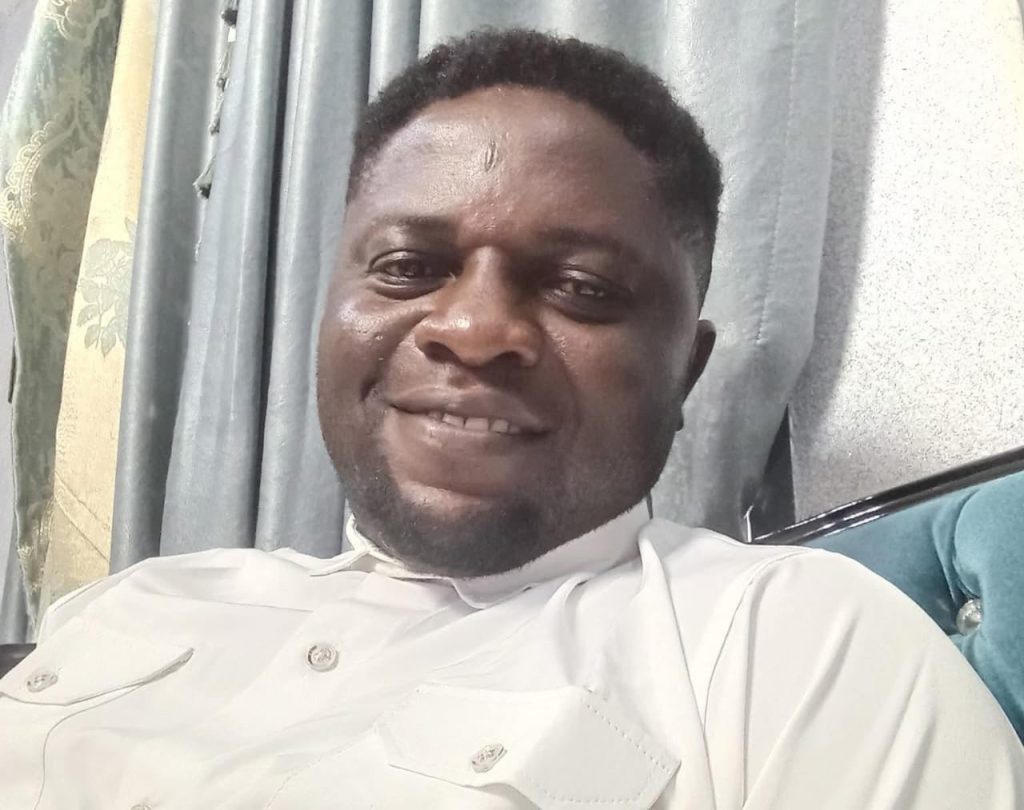
By Christopher Sunday
From the standpoint of semantics and the philosophy of language, words are never accidental; they are deliberate carriers of meaning, intention, and psychological disposition. We do not merely consume sentences at face value, we interrogate the words that constitute them, for it is within those words that intention is encoded. In this light, the recent remarks by Nyesom Wike cannot be dismissed as casual rhetoric or emotional exaggeration. They are revelatory. They expose a state of mind in which the language of violence is not only conceivable but expressible. Such utterances are not empty; they are indicative. They point to intention, or at the very least, a disturbing comfort with its suggestion.
In political communication, words are not mere sounds; they are instruments of influence, authority, and, at times, intimidation. When deployed recklessly, they betray not only the temperament of the speaker but also diminish the dignity of the office they occupy. What we are witnessing is a troubling descent into rhetorical excess, what can be aptly described as logorrhea: an uncontrolled, excessive flow of speech, often marked by a lack of restraint and reflective judgment. In the context of leadership, logorrhea is not a harmless verbal overflow; it is a symptom of indiscipline in thought and expression.
A leader who speaks without restraint reveals more than passion; he reveals a deficit in self regulation. When such speech carries undertones of violence, even in metaphor, it erodes the moral authority required to govern in a democratic society. Leadership demands not only decisiveness but also the discipline of language, an awareness that words can inflame, intimidate, or inspire.
The implications go beyond the individual. When those in positions of power normalize aggressive rhetoric, they inadvertently legitimize a culture of hostility within the political space. This is dangerous. Democracy thrives on disagreement, but it is sustained by civility. Once the language of engagement becomes weaponized, the very fabric of democratic interaction begins to fray.
Yet, responsibility does not rest solely on political actors. The media, as custodians of public discourse, bear an equally critical burden. Journalists are not mere conduits of information; they are gatekeepers of standards. In moments where language crosses into the realm of impropriety, silence is not neutrality, it is complicity.
The journalists present during that exchange had both the opportunity and the obligation to challenge the tone and implications of such remarks. Professionalism in journalism is not confined to asking questions; it extends to defending the ethical boundaries of public conversation. To ignore excess is to enable it.
Nigeria stands at a critical juncture where both leadership and media must recommit to the principles that sustain democratic life. Leaders must exercise restraint in speech, recognizing that authority is best expressed through composure, not verbal aggression. The media, on the other hand, must rise beyond passive engagement and actively uphold the standards that give democracy its moral force.
A society is, to a large extent, a reflection of the language it tolerates. If we permit recklessness in speech from those in power, we risk institutionalizing a culture where words wound more than they heal, and intimidate more than they inspire.
The time, therefore, is not merely to observe, but to insist, firmly and unequivocally, that public discourse in Nigeria must be anchored on responsibility, restraint, and respect.
About Post Author