Unlocking Federal Opportunities for Young People in Kogi East
By Abdul Mohammed Lawal.
Politics has changed. The days when representation was measured only by attendance at ceremonies or the ability to move motions are over. Today, the Senate sits at the centre of economic restructuring, fiscal reforms, infrastructure financing, energy transition debates, and employment strategies. This is President Asiwaju Bola Ahmed Tinubu’s effect, and it’s a beautiful time to live in.
In this era, a Senator who does not understand modern economics is at a disadvantage, and so is the district he represents. It must be someone with the reach and leverage. Shouldn’t our representative have the ability to magnetize value to the people?
Let’s prioritize federal opportunities and our youth demographic for instance. More than half of our country’s population is under the age of thirty. In Kogi East, the story is the same. Our communities are filled with intelligent, energetic and ambitious young men and women. But for many of them, opportunity feels distant.
The challenge is not always the absence of programmes. It is the absence of access. Across federal ministries, agencies and development institutions, there are grants, training schemes, agricultural support programmes, digital innovation funds, small business financing windows and international exchange opportunities. Every year, billions of naira are allocated to youth-focused initiatives.
But how many young people in our district know where to apply?
How many understand the eligibility criteria?
How many receive guidance through the process?
Like the wise man would say, opportunity without access becomes frustration. And, this is where effective representation makes a difference.
Unlocking federal opportunities requires structure. It requires a Senate office that functions not merely as a political outpost, but as a development coordination hub. It requires data on youth needs, partnerships with federal agencies, collaboration with private-sector actors and consistent communication channels.
Mahmoud Bala Alfa, Ph.D. understands systems.
Having designed agribusiness investment models that supported rural SMEs, negotiated blended finance structures and worked on infrastructure reform programmes, he recognises that development succeeds when access points are clear and transparent.
Young entrepreneurs in Kogi East need more than encouragement. They need guidance on navigating grant portals, support in preparing bankable proposals, and connections to institutions willing to finance viable ideas.
Young farmers need assistance accessing improved inputs, value-chain financing and market linkages.
Young graduates need exposure to internships, digital skills training and innovation ecosystems aligned with national economic trends.
These outcomes do not happen automatically. They must be coordinated.
A Senator who understands federal budgeting can track youth-related allocations. A Senator who understands development finance can connect local entrepreneurs to credible funding platforms. A Senator who understands governance reform can advocate for transparent selection processes and equitable distribution of programmes.
Dr. Mahmoud’s professional background places him in a unique position to build such bridges. From his experience in international finance to his advisory roles in governance and infrastructure reform, he has operated in spaces where opportunity meets structure.
Then again, unlocking opportunities also requires mentorship. As an Adjunct Professor of International Economic Relations, he has spent years guiding students through academic and professional pathways. That mentoring culture must extend to public service; creating platforms where young people can learn about federal programmes, understand economic trends and prepare for competitive environments.
Kogi East does not lack talent. It lacks structured connection to opportunity.
The next Senate term will coincide with expanding digital-economy initiatives, agricultural modernisation efforts, renewable-energy investments and skills-development programmes at federal level. If properly leveraged, these can transform youth employment prospects in our district.
But leveraging them requires intention. It requires a Senate office that tracks programme announcements, organises local sensitisation sessions, partners with credible organisations and follows through on applications. It requires ensuring that opportunities reach deserving young people across communities, not only a privileged few. Dr. Alfa was built for this.
The future of Kogi East will be determined by the productivity and innovation of its youth. And representation must reflect that reality.
In 2027, we must choose leadership that sees young people as economic partners. Unlocking federal opportunities must be a part of our living.
And it begins with informed, structured and committed representation.
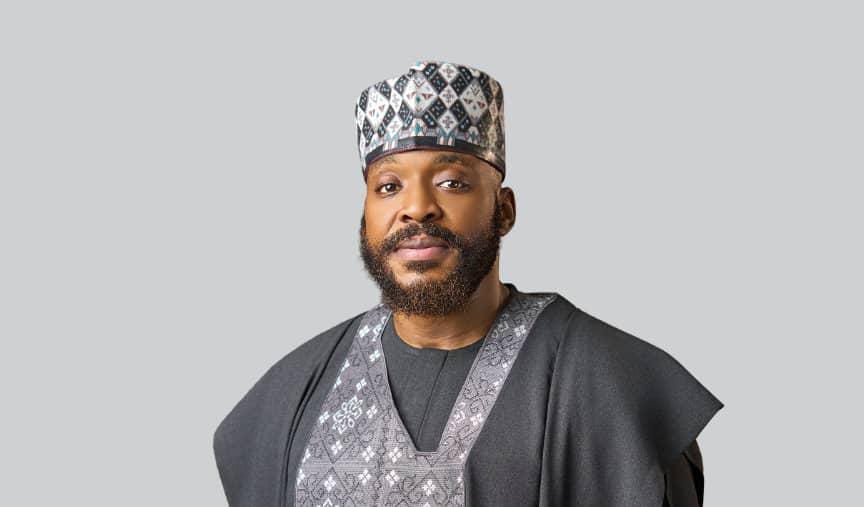
This is why I present, Mahmoud Bala Alfa, Ph.D.
About Post Author