Mahmoud Alfa: The Making of a Modern Public Servant

By Abdul Mohammed Lawal.
Public service in the twenty-first century demands far more than ambition. It requires strong preparation, professional discipline, and a clear understanding of how institutions work in an increasingly complex world. The problems facing modern societies, ranging from economic instability, energy transition, technological change, and governance reform, can no longer be solved through political instinct alone. They require leaders who are prepared both to lead, and also to understand.
Across many democracies today, the idea of leadership is changing. Citizens are beginning to look beyond political visibility and powerful speeches. More and more, they want leaders who combine experience with competence, and influence with a real understanding of how public policy works.
Nigeria’s governance challenges are rarely caused by a lack of ideas. Over the years, the country has produced many beautiful policy documents, reform programmes, and development strategies. But the gap between policy design and policy execution often remains wide.
Too often, policies designed in conference rooms fail to bring real change to communities. Budgets are approved, but projects stall. Development plans are announced, but local economies struggle to feel their impact. In many cases, the problem is not the absence of vision, but the absence of leadership that understands both the technical side of policy and the everyday realities of the people such policies are meant to serve.
It is within this gap between policy ambition and real impact that the need for a new generation of public servants becomes clear.
A modern public servant understands how institutions work and why they sometimes fail. He knows that development does not happen by chance; it is the result of systems carefully designed to create opportunity, transparency, and accountability. Such a leader understands implementation and is comfortable working across different fields; like engaging economists, engineers, development experts, and community leaders, while keeping a clear focus on the public interest.
Above all, the modern public servant sees governance as a platform for solving problems that affect everyday life, and not as a stage for personal attention.
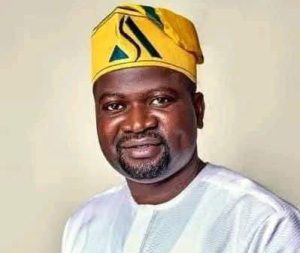
It is within this changing understanding of leadership that the career of Mahmoud Bala Alfa, Ph.D., becomes important.
Over the past two decades, his professional journey has moved across several areas where policy meets practice. From working in financial institutions to advising development programmes, his experience shows steady involvement with the systems that determine economic and institutional reform. His role in both national and international policy discussions, governance initiatives, and development programmes has given him direct insight into the challenges governments face when turning policy ideas into real results.
He has been part of the governance system but has mainly worked on the policy side of public administration. Today, governance needs individuals who understand how policies are formed and how they can be made to work in practice.
Equally important is the wide range of environments where this experience has been built. Exposure to international financial systems, development institutions, and academic spaces has helped form a perspective that understands both global best practices and the local realities of governance in Nigeria. He fully understands macroeconomics and personifies political economy in both his business and individual dealings.
Like the wise man would say; experience alone, however, does not make a leader. What matters most is how that experience is used. Over the years, Mahmoud Bala Alfa has combined professional exposure with a disciplined approach to solving problems. From negotiating complex infrastructure projects to advising state governments on economic reforms, his work has focused on building systems that produce real results rather than simply writing reports or recommendations.
Whether introducing zero-based budgeting reforms that improved financial transparency in Kaduna State or designing agribusiness investment models for rural small businesses, his career shows a clear pattern of finding practical solutions and building systems that turn plans into real impact. This represents the approach of a public servant who understands that good governance requires more than vision; it requires execution.
Effective governance today requires leaders who think in systems rather than in isolated actions. Policies succeed only when they are properly connected across sectors and when they respond to the real needs of communities. Accountability, transparency, and structured engagement are not optional; they are essential.
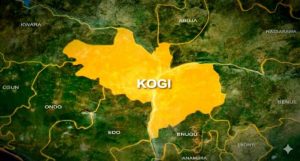
These ideas become especially important when applied to Kogi East. Like many regions in Nigeria, communities here face serious challenges: uneven access to electricity, limited opportunities for youth employment, underdeveloped infrastructure, and gaps in education and economic support. But addressing these challenges requires leadership that can turn national experience into local progress. It requires individuals who can bring knowledge gained from national and global experience to improve everyday life in their communities.
Just as it should, today, many citizens no longer judge leadership by public appearances or handouts. Increasingly, they measure it by competence, knowledge, and the ability to deliver real development. And, the future of governance will depend on individuals who understand that public service is not just a political opportunity, but a serious responsibility.
For Kogi East, the next Senate seat requires more than power. It requires competence. It requires leadership that can connect knowledge, experience, and service to build lasting progress for the people.
And in many ways, this is what defines Mahmoud Bala Alfa, Ph.D.
About Post Author