CSO Raises Alarm on Rising AI-Driven Blackmail in Nigeria
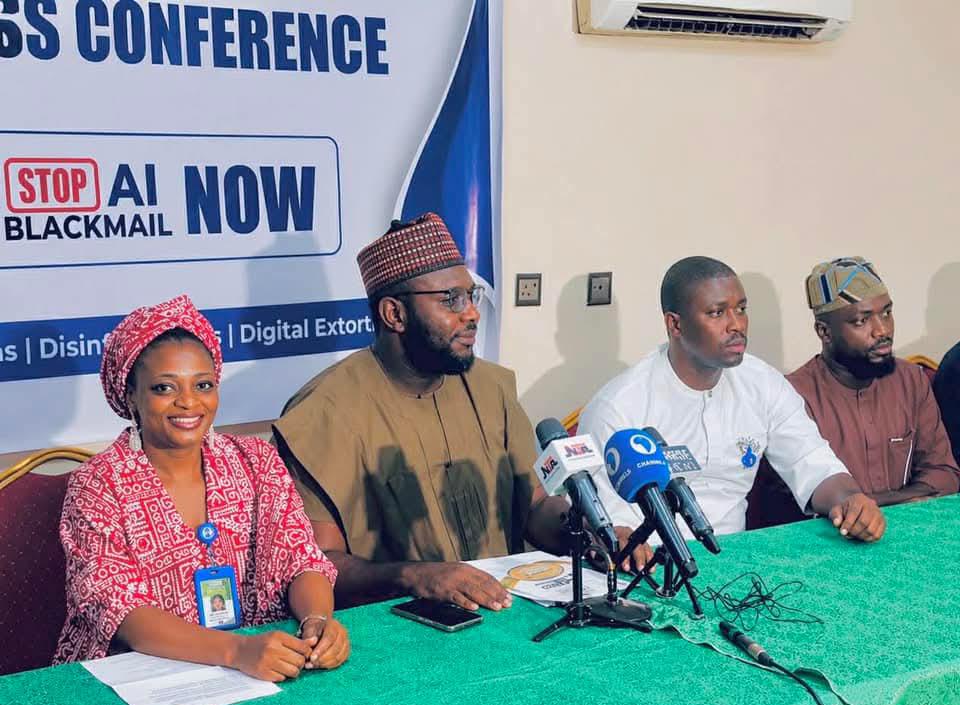
A civil society organisation, the Coalition for Ethical Technology and Democratic Integrity (CETDI), has warned of an emerging threat to Nigeria’s democracy arising from the misuse of artificial intelligence (AI) technologies for blackmail, disinformation, and political manipulation.
The group, also known as the Citizens’ Watch Group, issued the warning on Wednesday during a press briefing in Abuja, where its convener, Abdullah Haruna (Haruspice), raised concerns over the growing sophistication of AI-generated “deepfake” content.
Haruna said recent advances in AI have enabled the creation of hyper-realistic images, videos, and audio capable of depicting false scenarios involving public figures, noting that such tools are increasingly being weaponised by both local and foreign actors.
According to him, intelligence available to the coalition indicates a pattern of coordinated efforts aimed at blackmailing and discrediting individuals within Nigeria’s political and governance space, particularly as the country approaches the 2027 general elections.
He listed high-profile figures considered vulnerable to such attacks to include Bola Ahmed Tinubu, Seyi Tinubu, Samuel Ogbuku, Segun Showunmi, Nyesom Wike, Bashir Bayo Ojulari, Joash Ojo Amupitan, and Hakeem Muri-Okunola, among others.
The CETDI convener explained that the fabricated materials are designed to portray victims in damaging situations, including alleged scandals and fraudulent activities, with the aim of extortion, intimidation, and influencing public perception.
He warned that the difficulty in detecting such manipulated content without advanced forensic tools makes the threat particularly dangerous, stressing that it could erode public trust, trigger political instability, and undermine democratic institutions if not urgently addressed.
To mitigate the risks, the coalition called on the Federal Government to recognise AI-generated blackmail as a national security concern and classify it under cyber-terrorism. It also urged the enactment of laws criminalising the malicious use of deepfake technologies, alongside increased investment in detection systems and public awareness campaigns.
The group further advised public office holders to strengthen digital security protocols, while calling on political actors to refrain from deploying AI tools for unethical purposes. It also tasked law enforcement agencies with investigating and prosecuting individuals involved in such activities.
Haruna emphasised that the coalition’s warning was not intended to incite panic but to draw attention to what he described as a “clear and present danger” to Nigeria’s democratic process.
He urged citizens to remain vigilant, verify information before dissemination, and avoid sharing unverified or suspicious content.
The coalition reaffirmed its commitment to promoting transparency and safeguarding democratic integrity, noting that it would continue to monitor developments related to the misuse of emerging technologies in the country.
About Post Author