HUDA Sisters Association Holds Interfaith Summit on Community Safety, GBV Prevention
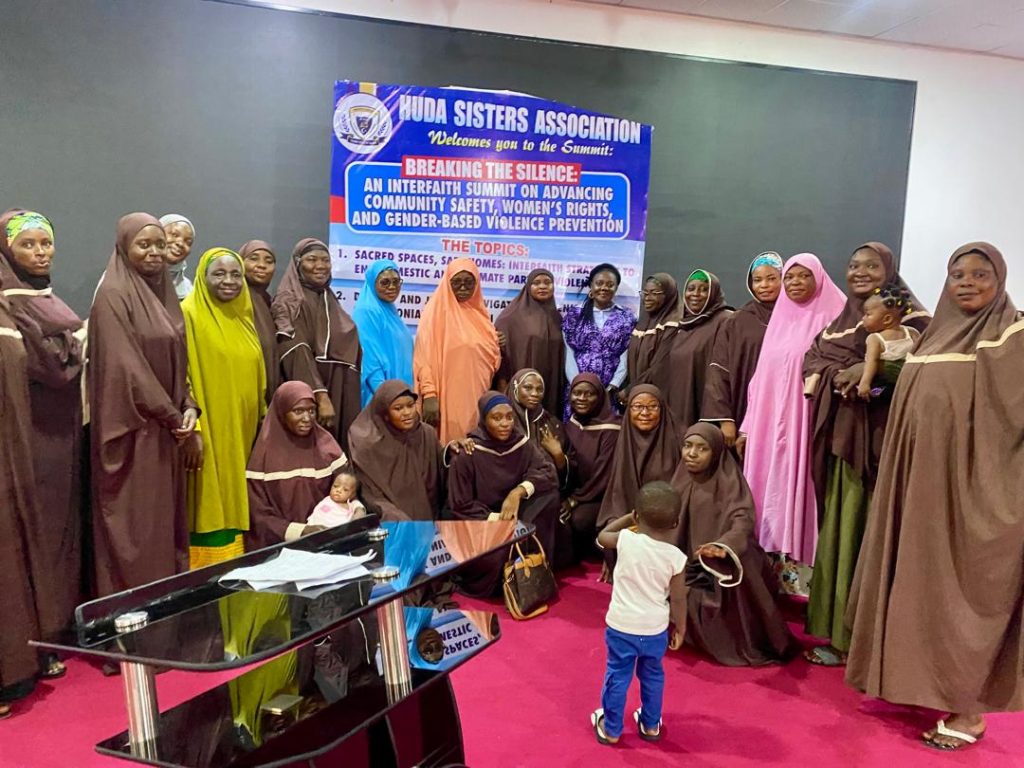
The HUDA Sisters Association has convened an interfaith summit in Lokoja, Kogi State, to strengthen community safety, promote women’s rights and address gender-based violence (GBV), with participants calling for greater collaboration among religious institutions, justice-sector stakeholders and community leaders.
The summit, held on Sunday, August 16, 2026, at Majesty International School, was themed “Breaking the Silence: An Interfaith Summit on Advancing Community Safety, Women’s Rights, and Gender-Based Violence Prevention.”
The gathering brought together religious leaders, justice-sector stakeholders, counsellors, human rights advocates, community actors and other participants to examine challenges affecting women, girls, families and other vulnerable members of society.
Discussions at the summit focused on domestic and intimate partner violence, women’s rights in matrimonial disputes, human trafficking and modern-day slavery, sexual violence and survivor support.
Participants stressed the need for religious and community leaders to play a more active role in preventing violence, promoting peaceful family relationships and creating environments where survivors can seek help without fear of stigma or discrimination.
During discussions on domestic and intimate partner violence, participants described the issue as a community concern requiring collective action rather than silence.
They encouraged faith leaders to use sermons, counselling, premarital programmes and community engagements to promote dignity, mutual respect, accountability and non-violent relationships.
The summit also examined women’s rights in matrimonial dissolution across different faith traditions, with participants stressing the importance of dignity and fairness when marriages break down.
They further called for women facing marital disputes, abuse or unsafe domestic situations to have access to relevant information, counselling and justice mechanisms, while recognising the role of religious principles, cultural values and applicable laws.
Human trafficking and other forms of modern-day slavery also featured prominently, particularly the exploitation of women and children.
Participants noted that trafficking can thrive in environments characterised by poverty, misinformation, vulnerability and weak community protection mechanisms. They therefore emphasised community vigilance, public awareness and early identification of trafficking risks.
They also called for stronger collaboration among families, religious institutions, civil society organisations, law-enforcement agencies and government institutions to protect vulnerable people.
The summit further addressed sexual violence and the need for survivor-centred responses.
Participants advocated the creation of safe spaces where survivors can speak about their experiences and access appropriate psychosocial, legal, medical and social support. Religious and community leaders were also encouraged to avoid victim-blaming, maintain confidentiality and discourage stigmatisation.
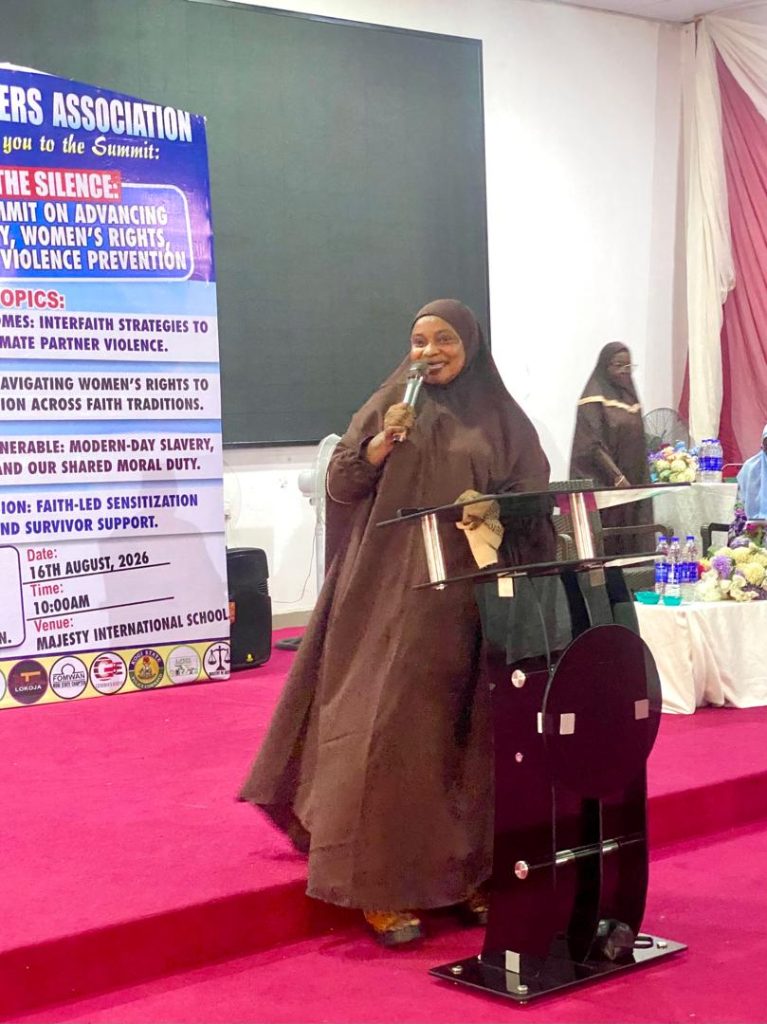
Speaking on the dangers of silence in cases of gender-based violence, the Kogi State Chairperson of the International Federation of Female Lawyers (FIDA), Mrs Oluwakemi Omeiza, stressed the importance of speaking out when GBV is being perpetrated.
A key message from the summit was that silence should not be allowed to shield perpetrators or perpetuate cycles of violence.
The interfaith dimension of the gathering provided a platform for religious leaders from different faith communities to discuss their perspectives on gender-based violence.
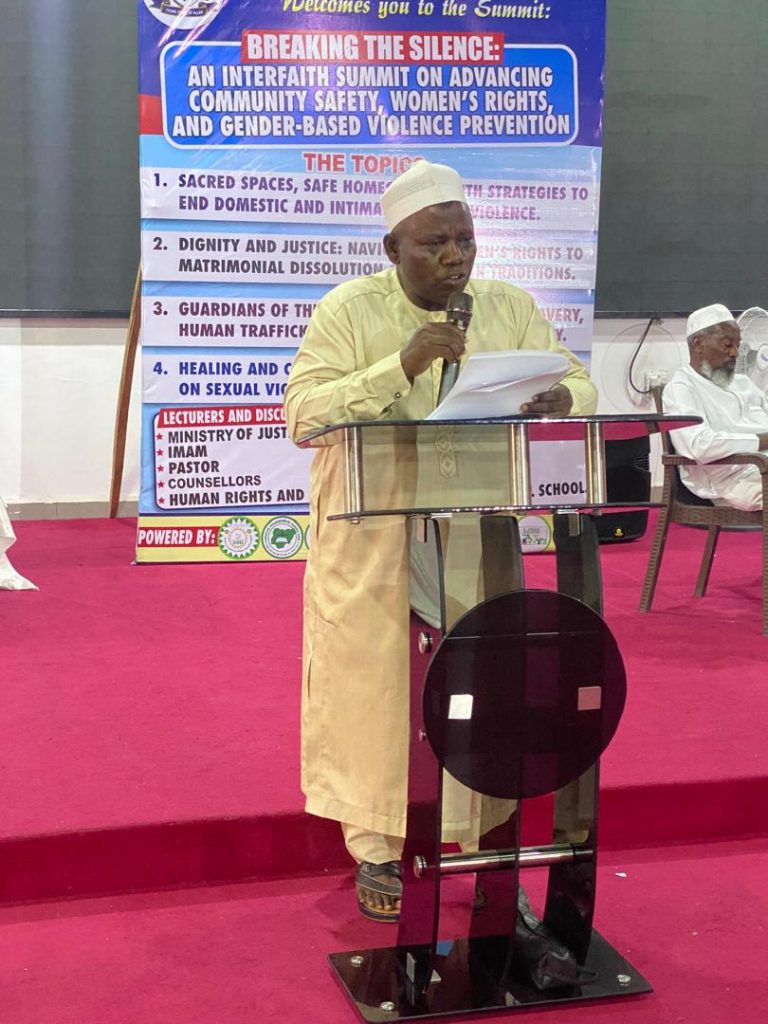
Representatives of the Jama’atu Nasril Islam, Imam Toheed, and the Christian Association of Nigeria, Pastor Emmanuel, spoke on the religious perspective of GBV and affirmed that treating a wife without dignity and respect is not scriptural.
The summit also highlighted the need to move beyond awareness campaigns towards practical interventions, including stronger referral pathways, community sensitisation, survivor support, counselling, legal assistance and institutional collaboration.
The HUDA Sisters Association said the summit reinforced the importance of building communities where women, children and other vulnerable persons can live with dignity, safety and equal protection.
The meeting concluded with a call on individuals, families, religious institutions, government agencies, civil society organisations and community leaders to take collective responsibility for preventing violence and protecting vulnerable people.
Participants emphasised that breaking the silence is only the first step, while sustained action, compassion, accountability and access to justice are required to achieve lasting change.
About Post Author