Kogi Central 2027: Experience, Security, The Yahaya Bello Factor
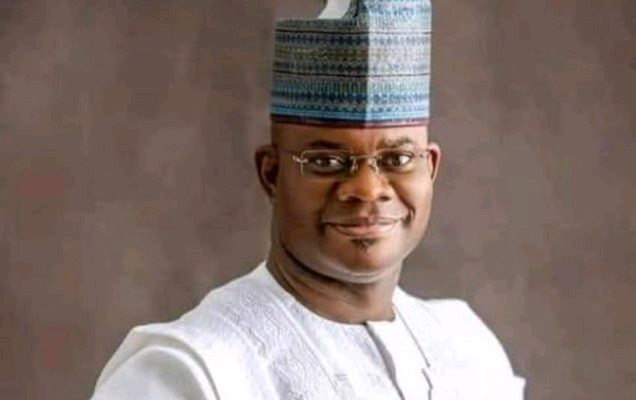
As Nigeria approaches the 2027 general elections, it becomes increasingly important to reflect on a fundamental pillar of good governance: the method by which candidates are selected to occupy positions of leadership and represent the people. The quality of leadership a society enjoys is directly tied to the quality of candidates it presents for election. In this regard, essential attributes such as proven track records, accountability, competence, and integrity must never be sacrificed on the altar of political correctness or sentiment. The journey toward effective governance begins with the deliberate choice of credible and capable individuals.
Against this backdrop, the people of Kogi Central Senatorial District appear to have taken this critical first step with clarity and purpose. They are positioning themselves not for symbolic representation or personality-driven contests on the floor of the National Assembly, but for meaningful, progressive engagement that prioritizes sound legislative work and effective constituency oversight. Their aspiration is to have a voice that translates into tangible development and sustained advocacy for their collective interests.
Their preference for Yahaya Bello, a two-term former governor of Kogi State, reflects a decision anchored in experience, leadership credentials, and a history of people-centered governance. Across Ebiraland, he is widely regarded not merely as a past leader, but as a transformative figure who reshaped the district’s developmental trajectory and governance culture. His tenure is often associated with a renewed political identity for the Ebira people; one that has become a notable chapter in Nigeria’s democratic evolution.
Having endured years of insecurity and instability, the people of Kogi Central now live in a period of relative peace and economic revival with the current governor Ahmed Usman Ododo building on the solid foundation laid by his predecessor. For many, Yahaya Bello represents more than a former governor; he embodies resilience, commitment, and sacrifice for the well-being of his people. The dividends of peace are visible across the district. Economic activities have significantly expanded, particularly in Okene, which has experienced a surge in commercial vibrancy rivaling, and in some respects surpassing, Lokoja, the state capital. Additionally, the return of Ebira and Ogori indigenes from the diaspora, bringing with them investments and entrepreneurial initiatives, has further accelerated local development and strengthened the economic base of the region.
The widespread acceptance of his candidacy is rooted in a collective desire for strong, purposeful representation at the national level. The people are seeking a senator who will actively contribute to national discourse and legislative processes, rather than one who will dissipate valuable time in inactivity or political trivialities. Their expectations are clear: representation that delivers impact, visibility, and measurable outcomes.
Testimonies from across the district reinforce this sentiment. Communities that once lived under the constant threat of violence now speak of safety, renewal, and opportunity. The transformation witnessed during Bello’s administration continues to shape public opinion and political conversations, serving as a reference point for what effective leadership can achieve.
At a time when Nigeria faces complex and evolving security challenges, the prospect of having Yahaya Bello in the Senate carries significant implications. His experience in confronting insecurity at the state level positions him as a valuable contributor to national security deliberations. During his tenure as governor, his administration prioritized security, implementing strategies that curtailed criminal activities and restored order in previously troubled areas. This achievement earned recognition from the presidency, the Nigerian Police Force, the Nigerian Army, and various civil society organizations both within and outside the country.
As a senator, his practical insights could enrich legislative debates on security reform, intelligence coordination, and criminal justice administration. He would be well-placed to advocate for policies that strengthen collaboration between federal and subnational security structures, improve community policing frameworks, and ensure that security interventions are both proactive and sustainable. His familiarity with grassroots security dynamics could also help bridge the gap between national policy formulation and local realities; an area where many legislative efforts often fall short.
For the people of Kogi Central, his presence in the Senate will not just be about representation; it will be about continuity and expansion of the gains already made. They anticipate that his influence will attract greater federal attention to the district, facilitate infrastructural development, and create more opportunities for youth empowerment, investment, and economic growth. More importantly, they see him as a figure capable of safeguarding the peace they currently enjoy, ensuring that it is not only preserved but strengthened.
In light of these developments, the growing support for Yahaya Bello across Kogi Central is hardly surprising. For many stakeholders, community leaders, and ordinary citizens, this is more than a political preference; it is a decision shaped by lived experience. It reflects a desire to consolidate the progress achieved over the years and to project it onto the national stage through effective legislative representation. As this momentum continues to build, it underscores a collective determination to transform local success into national impact, ensuring that the voices of Kogi Central resonate meaningfully within Nigeria’s broader governance framework.
Dr Abdulazeez Adinoyi
Writes from Abuja
Federal capital Territory
Abdulazeez78@gmail.com
29th April, 2027
About Post Author