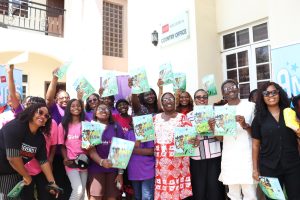
North Central Peace Ownership Movement Launches in Abuja
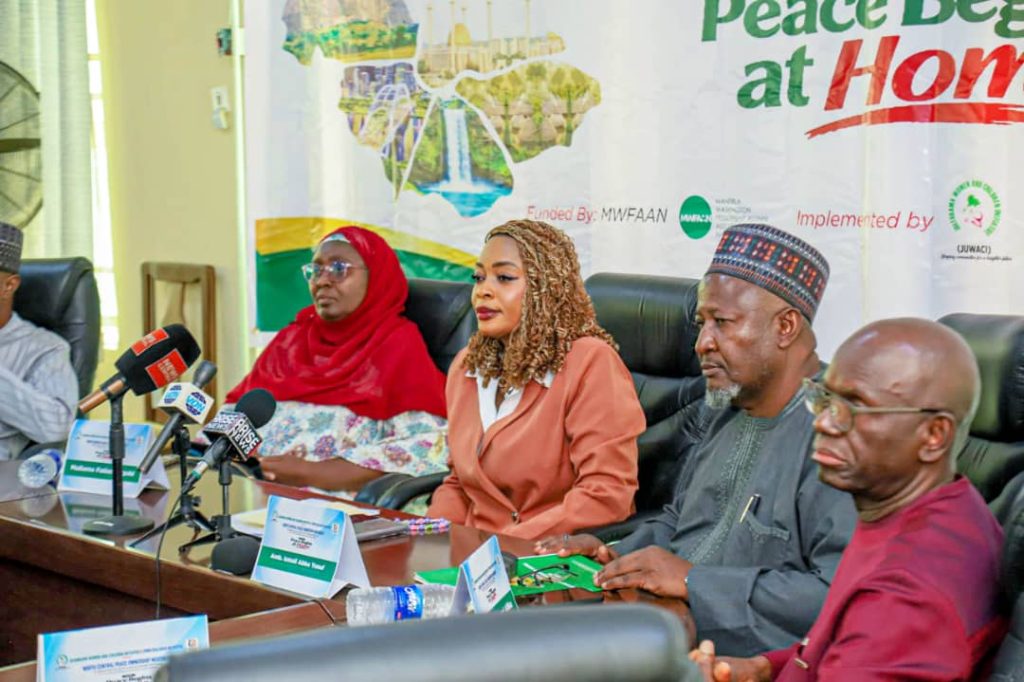
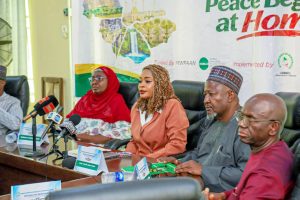
The North Central Peace Ownership Movement was launched in Abuja on 11 November 2026 under the theme Peace Begins at Home.
The North Central Peace Ownership Movement has been launched in Abuja, with its organisers calling on Nigerians to take personal and collective responsibility for preventing conflict and building peaceful relationships within their homes and communities.
Launched on Wednesday, 11 November 2026, under the theme Peace Begins at Home, the initiative is driven by the Julebrama Women and Children Initiative (JUWACI), in collaboration with the Open Dialogue Initiative (ODI), with support from the Mandela Washington Fellowship Alumni Association of Nigeria (MWFAAN) through its Inter-Cohort Collaboration Grant and the National Hajj Commission of Nigeria (NAHCON).
The Peace Ownership Movement is founded on the belief that sustainable peace cannot depend exclusively on government and security institutions but must also be cultivated through individual attitudes, family values, community relationships and collective responsibility.
Speaking at the launch, NAHCON Chairman, Ambassador Ismail Abba Yusuf, represented by the Registrar of the Hajj Institute, Dr Ibrahim Abubakar Jalingo, described the initiative as a timely intervention in Nigeria’s peacebuilding efforts.
He stressed that national development and progress were impossible without peace, urging stakeholders to move beyond discussions and translate their commitments into practical action.
“There will be no development. Absolutely no development. No progress can be made without peace,” he stated.
He further emphasised the need to make peacebuilding a practical reality within communities rather than confining it to academic discussions, classrooms and conference halls.
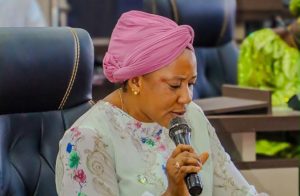
In her remarks, JUWACI Executive Director and Co-Convener of the movement, Chief Jennifer Hembafan Alih, said the initiative was conceived against the backdrop of persistent insecurity, communal tensions and the human cost of conflict across the North Central region.
She argued that citizens must become active participants in peacebuilding rather than depend exclusively on government interventions, noting that meaningful transformation begins with individuals consciously changing their attitudes and embracing peaceful relationships.
“Peace does not mean that there is an absence of grief or any other bad thing, but peace is deliberate. And today we are preaching a simple message: peace begins at home,” she said.
Alih also called for greater understanding across religious, ethnic and linguistic differences, describing the recognition of shared humanity as essential to peaceful coexistence.
Similarly, the Founder of the Open Dialogue Initiative and Co-Convener, Chief Abdullahi O. Haruna, called for renewed commitment to forgiveness, tolerance and responsible citizenship.
He identified unresolved resentment, prejudice and fear as factors capable of undermining relationships and fuelling conflict, stressing that peace should be treated as a fundamental pillar of human existence and deliberately incorporated into the values taught within families and educational institutions.
Haruna also urged young Nigerians to recognise their responsibility in shaping the country’s future, maintaining that building a peaceful society should not be left to one generation, institution or category of citizens.
An academic and development advocate, Dr Jummai Ahmadu, highlighted the connection between domestic disagreements and wider societal instability.
She warned that unresolved conflicts within families could be transmitted across generations and eventually manifest as divisions within communities.
Ahmadu urged families to cultivate mutual respect, understanding and open communication, stressing the importance of addressing disagreements constructively before they develop into lasting hostility.
Other contributors at the event included Dr Abdulraham Abu Hamisu, Dr Ibrahim Abubakar Jalingo, Dr Emmanuel Nathan Oguche, Mallama Fatima Ibrahim Ogohi and Barrister Benni Alika, who shared perspectives on practical peacebuilding, spiritual values, community engagement, conflict prevention and social responsibility.
The Etsu Kwali, His Royal Highness Lucas Ayedoo Nisazzan, was among the traditional leaders expected at the event but was unable to attend.
The discussions also highlighted the role of misinformation and irresponsible social media engagement in deepening societal divisions. The organisers stressed the need for responsible information sharing, digital safety and critical thinking as important components of a sustainable culture of peace.
Beyond promoting peaceful relationships within households, the North Central Peace Ownership Movement seeks to broaden the understanding of peacebuilding to include conflict prevention, reconciliation, social cohesion, responsible communication and community participation.
Its central campaign, #PeaceBeginsFromHome, is built on the principle that the home is the first school of citizenship and the foundation upon which society is formed. According to the organisers, values cultivated within families eventually influence behaviour and relationships in the wider society.
However, the initiative acknowledges that household-level transformation must complement broader efforts to address the structural factors contributing to conflict, including poverty, injustice, competition over land and resources, weak institutions, insecurity and social exclusion.
The movement therefore plans to engage families, traditional institutions, religious leaders, women, young people, educators, policymakers, civil society organisations and the media in a shared commitment to sustainable peace.
The launch marks the beginning of a wider advocacy and community engagement campaign aimed at making peace a lived value rather than an occasional public declaration.
Through the Peace Ownership Movement, the organisers are calling for a society in which peace is deliberately taught, practised, protected and passed on to future generations.
The campaign’s central message is clear: Peace Begins at Home. Peace Belongs to Us. Peace Is Our Collective Responsibility.
About Post Author