Beyond Politics: Why It Is Difficult to Argue That Governor Ododo Has Performed Poorly
In every democracy, criticism of government is not only legitimate but necessary. It keeps leaders accountable and encourages better governance. However, criticism is most valuable when it is grounded in facts rather than political sentiment or personal bias.
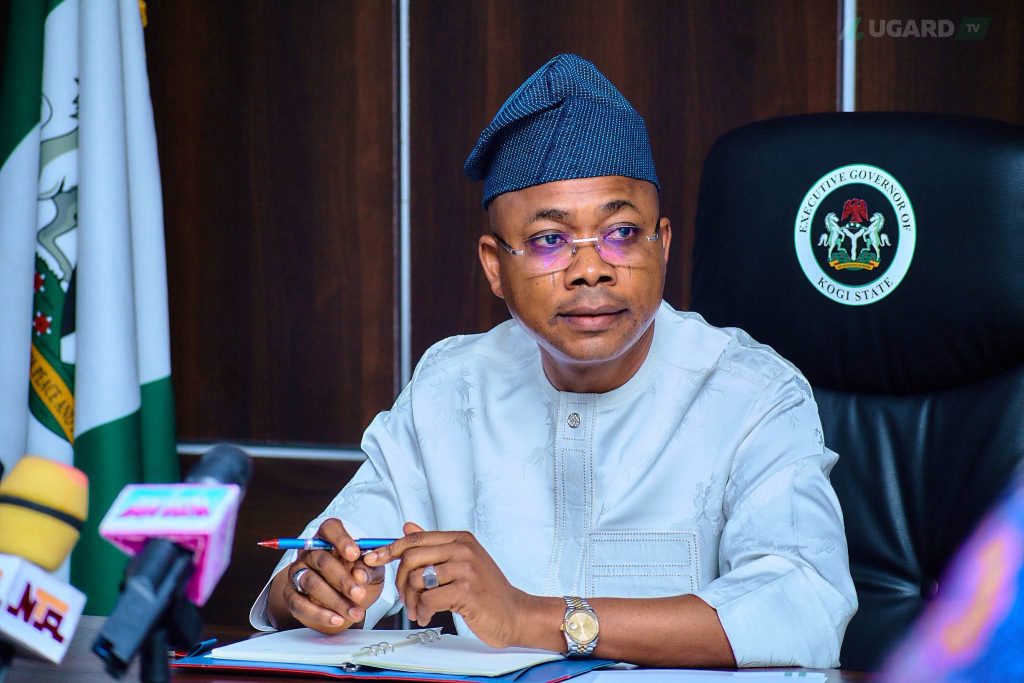
Since assuming office on January 27, 2024, Governor Ahmed Usman Ododo has pursued a governance agenda that has produced measurable outcomes across several sectors of Kogi State. Whether one belongs to the ruling party or the opposition, it is increasingly difficult to sustain the argument that the governor has done nothing or that his administration has performed poorly.
Security has remained one of the administration’s most visible priorities. The government has expanded collaboration among conventional security agencies, strengthened community policing through hunters and vigilante groups, integrated the Kogi Vigilance Service into the state civil service, and invested in operational logistics aimed at improving intelligence gathering and rapid response. These interventions have contributed to the state’s efforts to maintain relative peace despite the security challenges confronting many parts of Nigeria.
In healthcare, the administration has embarked on one of the most ambitious primary healthcare revitalization programmes in the state’s history. More than 80 Primary Healthcare Centres have been revitalized, with government investing billions of naira in rehabilitation, medical equipment, solar power installations and improved staffing. The approval of substantial incentives for medical doctors and the expansion of health insurance coverage for vulnerable citizens demonstrate a deliberate commitment to strengthening healthcare delivery.
Infrastructure development has equally remained a major focus. Road construction and rehabilitation projects have spread across urban and rural communities, while work has commenced on strategic projects including the Kogi International Airport, township roads, modern markets and other public infrastructure intended to improve transportation, commerce and investment opportunities.
Education has continued to receive sustained attention through the payment of external examination fees for students in public schools, investments in tertiary institutions, renovation of educational facilities and support for accreditation of academic programmes. These initiatives build on existing educational policies while expanding access and improving learning conditions.
The agricultural sector has also witnessed renewed government attention through programmes designed to support farmers, improve food production and strengthen agro-industrial development. The revival of agricultural processing facilities and the promotion of special agro-processing initiatives are expected to create employment while improving food security.
On the economic front, the administration has sought to improve internally generated revenue, attract investment and position Kogi as an emerging industrial destination through initiatives such as the proposed Special Agro-Processing Zone, mining reforms and investment-friendly infrastructure.
Civil servants and pensioners have also benefited from policies aimed at prompt salary payments, settlement of promotion obligations, payment of leave benefits and improved welfare, reinforcing confidence in the state’s public service.
None of these achievements suggests that Kogi State has solved all its developmental challenges. Rural roads still require attention. Unemployment remains a concern. Citizens continue to expect improvements in electricity, water supply and industrial development. These are legitimate issues that deserve continued attention from government.
However, there is an important distinction between saying “more needs to be done” and claiming that “nothing has been done.”
The evidence available from ongoing projects, completed programmes and policy interventions indicates that Governor Ahmed Usman Ododo’s administration has been active across security, healthcare, education, infrastructure, agriculture, economic development and public sector reforms. Citizens may debate the pace of development or the priorities of government, but dismissing the administration as one that has achieved nothing ignores verifiable realities.
Constructive criticism should challenge government to perform better, not deny achievements that are evident. Democracy is strengthened when political debate is driven by facts rather than rhetoric. Governor Ododo’s administration, like every government, should continue to be held accountable, but that accountability must be based on objective assessment of performance rather than blanket condemnation.
Ultimately, the true measure of leadership lies not in political slogans but in tangible improvements in the lives of the people. By that standard, Governor Ahmed Usman Ododo has established a record that deserves objective evaluation rather than wholesale dismissal.
Writen By Abdulkerim Haruna (Kerry)
SSA to the Governor on Youth Mobilization
About Post Author