Nigeria’s CNG Initiative: How Ismaeel Ahmed Is Expanding Gas Infrastructure
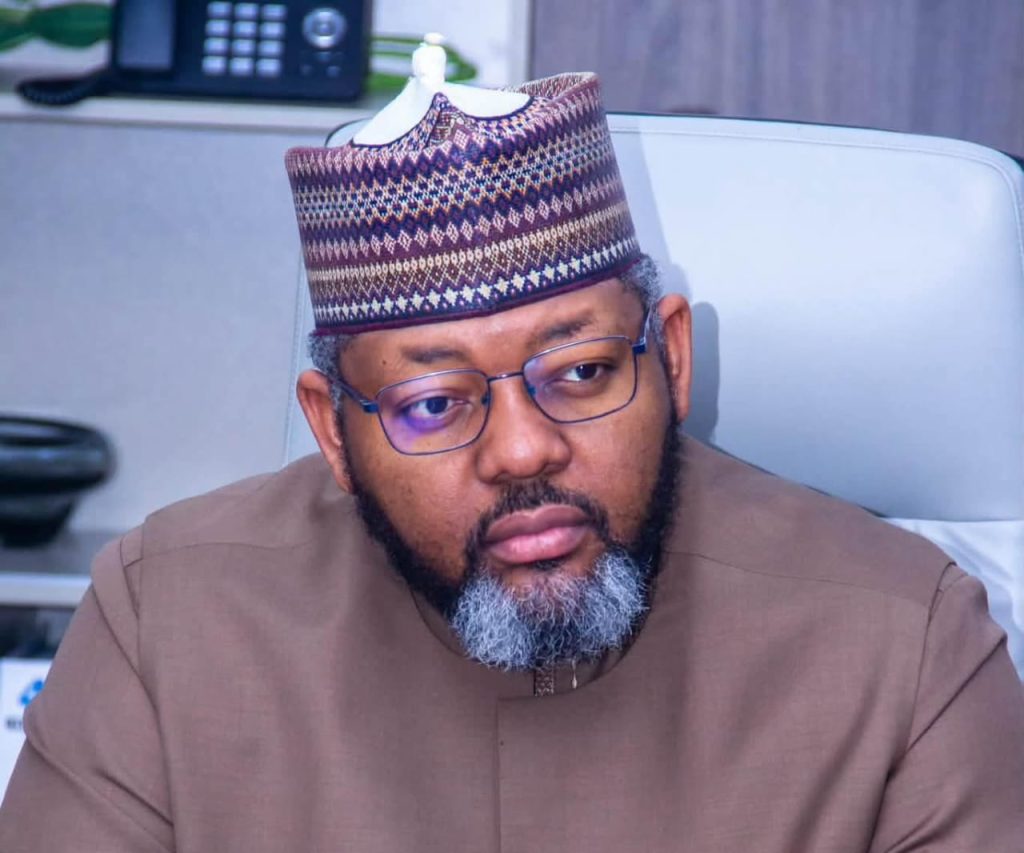
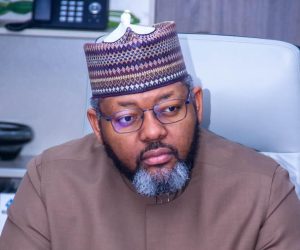
Barrister Ismaeel Ahmed, Executive Chairman of Nigeria's Presidential Initiative on Compressed Natural Gas and Electric Vehicles.
By Abdullahi O. Haruna
There is a particular species of public official who understands that the best advertisement for government is not a speech but a functioning piece of infrastructure. Barrister Ismaeel Ahmed, the Executive Chairman of Nigeria’s Presidential Initiative on Compressed Natural Gas and Electric Vehicles (Pi-CNG & EV), appears determined to belong to that species. His preferred vocabulary is increasingly concrete: stations, conversion centres, partnerships and commissioning ceremonies. In a country where policy often goes to die in committee, such nouns are welcome.
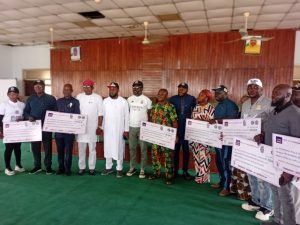
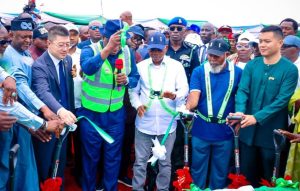
On Friday, November 6, another milestone was recorded with the commissioning of a CNG station and conversion centre in Karu, Abuja. According to Ahmed, it was the 107th station in the national network. The number matters. But the story behind it matters rather more.
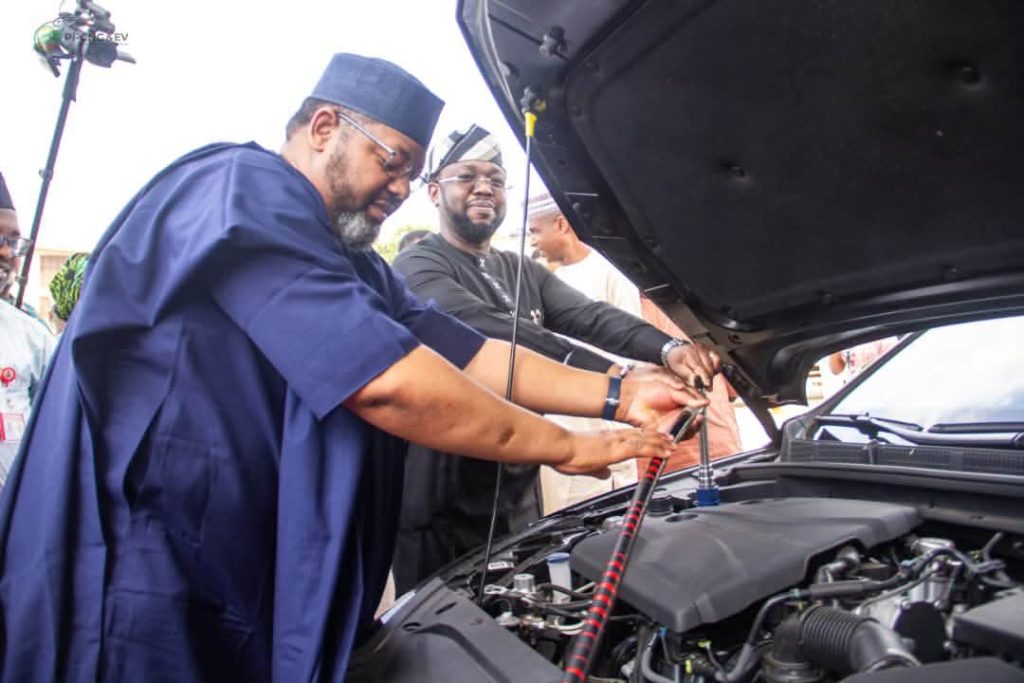
The facility had once been a fuel dump serving State House personnel. It became redundant, an asset stranded by changing circumstances. Rather than leave it to the familiar Nigerian fate of institutional neglect, Pi-CNG & EV partnered with the State House and Rolling Energy to transform it into a functioning CNG station. The State House provided the asset, the initiative supplied the necessary infrastructure and Rolling Energy installed and operates the facility.
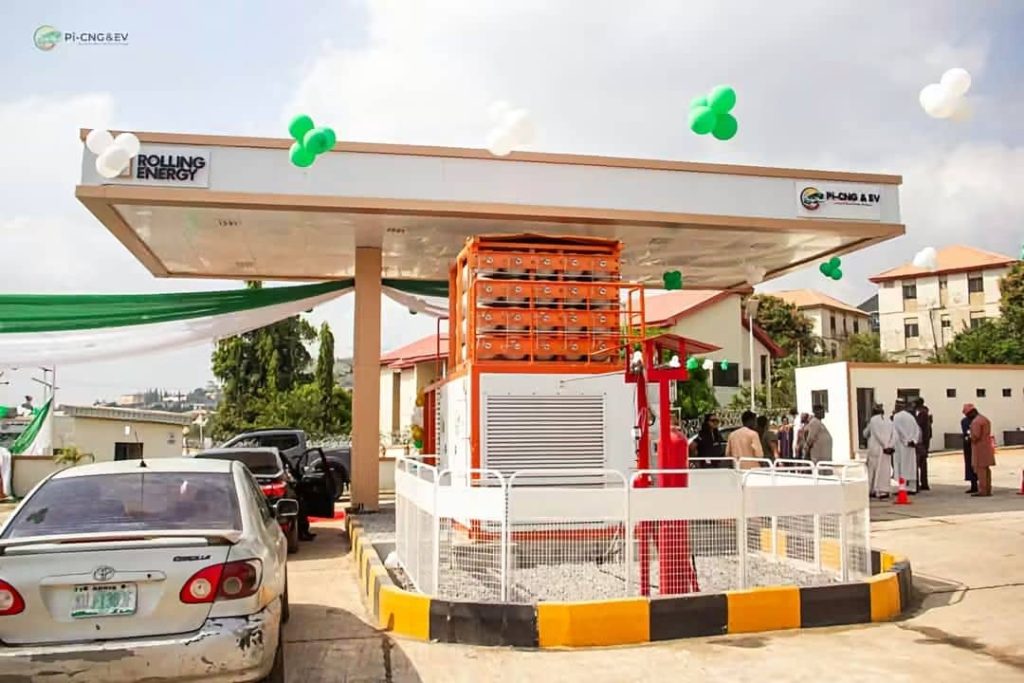
Three institutions, one productive outcome. The economics are almost embarrassingly simple: an idle asset has been converted into a source of public utility. In a country that routinely spends fortunes constructing new facilities while existing ones decay, such resourcefulness deserves attention.
This is the sort of achievement that gives Ahmed’s work its peculiar appeal. He is not merely supervising an energy programme; he is helping to translate a presidential ambition into something Nigerians can see, touch and potentially benefit from.
The story is not confined to Abuja. Kano offers another compelling illustration of the pace of expansion. An additional Liquefied Compressed Natural Gas (LCNG) facility in the state has further strengthened the initiative’s footprint, bringing Kano’s tally to 12 gas stations and three LCNG stations, all established within the past 12 months since Ahmed assumed office as Executive Chairman. That is a substantial concentration of infrastructure development within a relatively short period. It also suggests that the programme is beginning to move beyond isolated pilot projects towards a more geographically distributed energy network.
The CNG initiative emerged in 2023, following President Bola Ahmed Tinubu’s decision to remove the petrol subsidy. The logic was straightforward. Nigeria possesses substantial natural-gas resources; petrol had become more expensive; transportation costs were rising; and compressed natural gas offered a potentially cheaper alternative.
The difficulty, as ever, was execution.
A policy announcing cheaper fuel is not the same as making cheaper fuel available. Drivers need conversion centres. Vehicles need technical adaptation. Investors need commercial confidence. Consumers need accessible refuelling stations. Government needs to coordinate a complicated network of public institutions and private operators. Ahmed’s assignment has been to help make this machinery work.
His appointment as Executive Chairman in June 2025 placed him at the centre of the initiative’s implementation. The programme’s subsequent expansion, including its electric-vehicle component, reflects the broader ambition to reshape Nigeria’s transportation-energy landscape.
Ahmed has also become its most recognisable public face. He is frequently present at project launches, stakeholder engagements and infrastructure commissioning events. His role is partly administrative, partly political and unmistakably communicative. He must persuade Nigerians that a difficult economic reform can produce tangible benefits.
This is not an insignificant responsibility. Subsidy removal imposed immediate costs on households and businesses. Alternative-fuel infrastructure is expected to provide some relief, but the public will judge the programme by its practical usefulness rather than its official enthusiasm.
Ahmed seems to understand that distinction. There is a useful comparison with Solon, the ancient Athenian reformer, who understood that political legitimacy depends partly on addressing the material grievances of ordinary citizens. The comparison is not that Ahmed is rewriting the constitution of Athens. Rather, both men represent a broader proposition: reform acquires credibility when it changes the conditions under which people live.
Solon’s reforms were shaped by the economic tensions of his society. Ahmed’s challenge is to help Nigeria navigate the consequences of a major energy-policy adjustment.
The modern reformer, however, faces a different enemy. It is not merely resistance to change; it is the bureaucratic inertia that makes change expensive, slow and occasionally invisible.
The Karu station offers a small but instructive counterexample. Instead of beginning with a new construction project, the initiative identified an existing facility and repurposed it. This is not revolutionary economics. It is simply competent administration. In Nigeria, that can be revolutionary enough.
There is, of course, a danger in allowing commissioning ceremonies to become the principal measure of success.
A station may be inaugurated, but is it consistently supplied with gas? Are conversion services affordable? Are safety standards maintained? Do transport operators actually save money? Can private investors sustain operations without excessive dependence on government support?
These are the questions that will determine whether the initiative becomes a lasting economic intervention or another collection of impressive photographs.
The expansion in Abuja and Kano, alongside the mobilisation of private investment, suggests that the programme is moving beyond its experimental phase. Yet the number of stations is only one measure of progress. Availability, reliability, affordability and public adoption matter just as much.
Ahmed’s task is therefore not finished. Indeed, the more successful the initiative becomes, the more demanding its next phase will be.
For the Tinubu administration, CNG is more than an energy policy. It is part of the argument that subsidy removal can be accompanied by structural alternatives. That argument will be difficult to sustain unless ordinary Nigerians experience meaningful savings.
Ahmed’s public visibility helps give the programme a human face. But visibility must remain the servant of delivery, not its substitute.
His most persuasive achievement may ultimately be the ability to turn government’s redundant assets into productive infrastructure, attract private operators and steadily expand the availability of alternative fuel.
The Karu station captures this philosophy neatly. An abandoned opportunity becomes a functioning facility. A partnership produces a public service. A policy becomes a physical reality. Kano’s expanding network adds another dimension: the ability to replicate that model across different parts of the country.
Nigeria has no shortage of reform announcements. What it lacks, more often, is the patient accumulation of practical results.
Ahmed’s work is a reminder that reform is not always dramatic. Sometimes it is a station opened, a vehicle converted, an investor persuaded or an idle government asset given a second life.
The ancient reformers understood that societies are changed by institutions and incentives, not merely by rhetoric. Nigeria’s contemporary reformers would do well to remember the lesson.
For now, Ahmed is building his case one station at a time. The final verdict will depend not on the applause at the commissioning ground, but on whether Nigerians can travel more cheaply when they leave it.
About Post Author