Ladi Jatto’s GGPI Begins Tree Planting, Educational Support Initiative in Kogi Central Schools
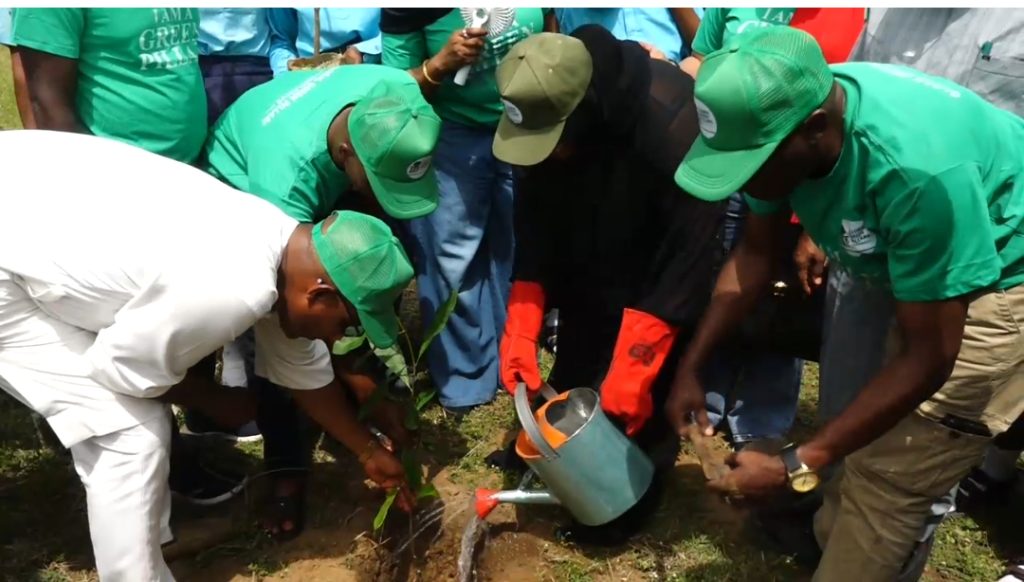
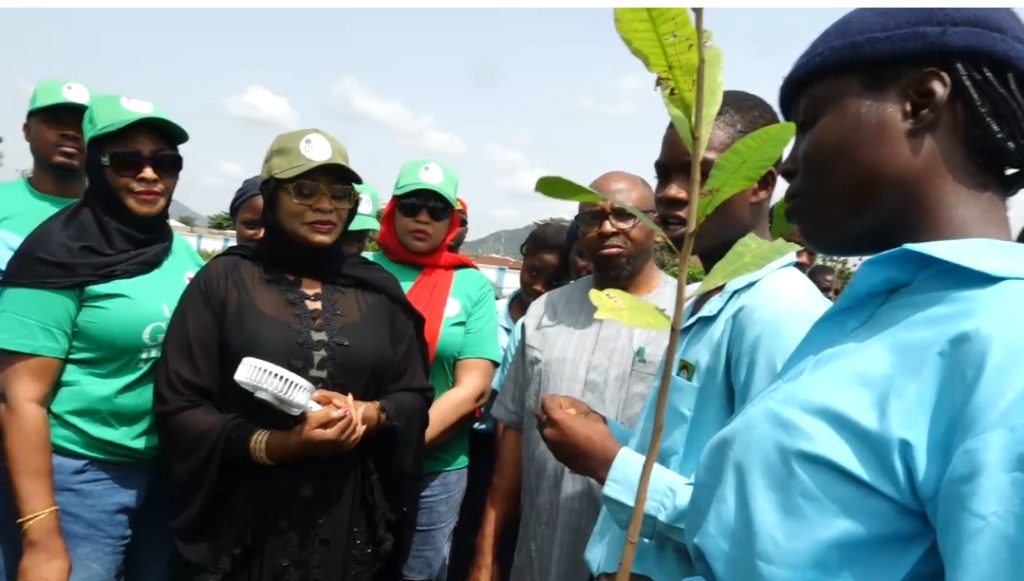
Ladi Ahmed Jatto joins teachers, students and GGPI volunteers for the launch of the tree-planting initiative in Kogi Central.
Barr. Ladi Ahmed Jatto, Chief Executive Officer of the Global Green Pillars Initiative (GGPI), has launched a tree-planting and educational support programme for secondary schools across Kogi Central, combining environmental conservation with learning support and menstrual hygiene interventions for adolescent girls.
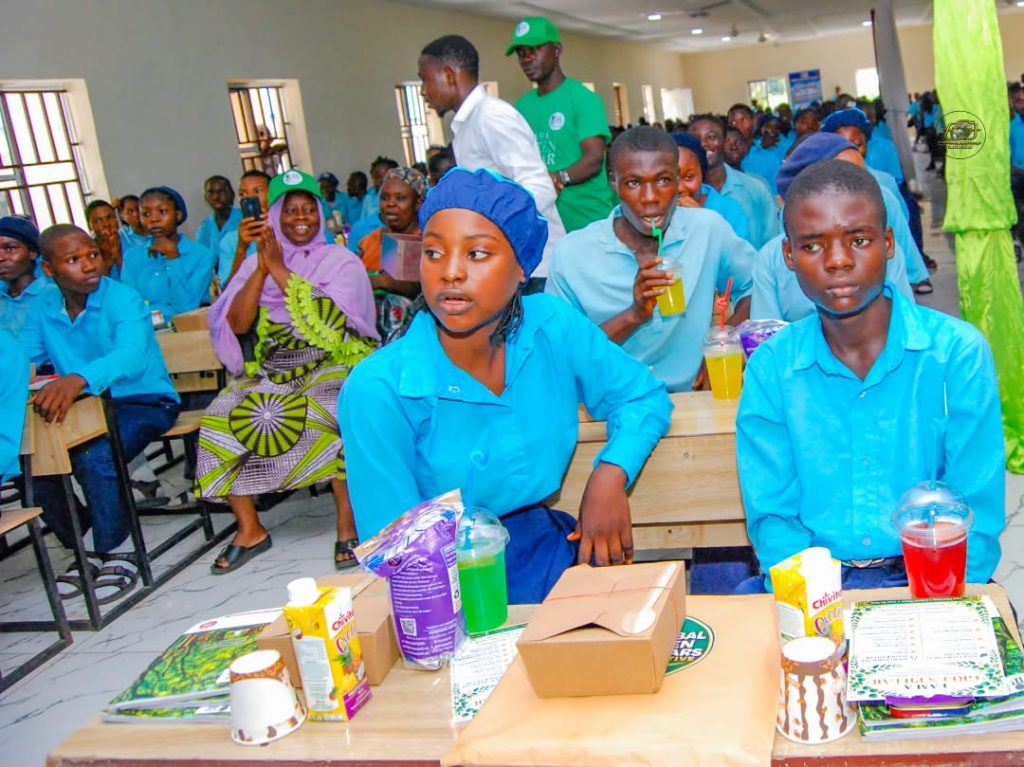
The initiative includes the distribution of writing materials and reusable sanitary pads, the planting of economic and shade trees, and the establishment of Green Clubs to promote environmental responsibility among students.

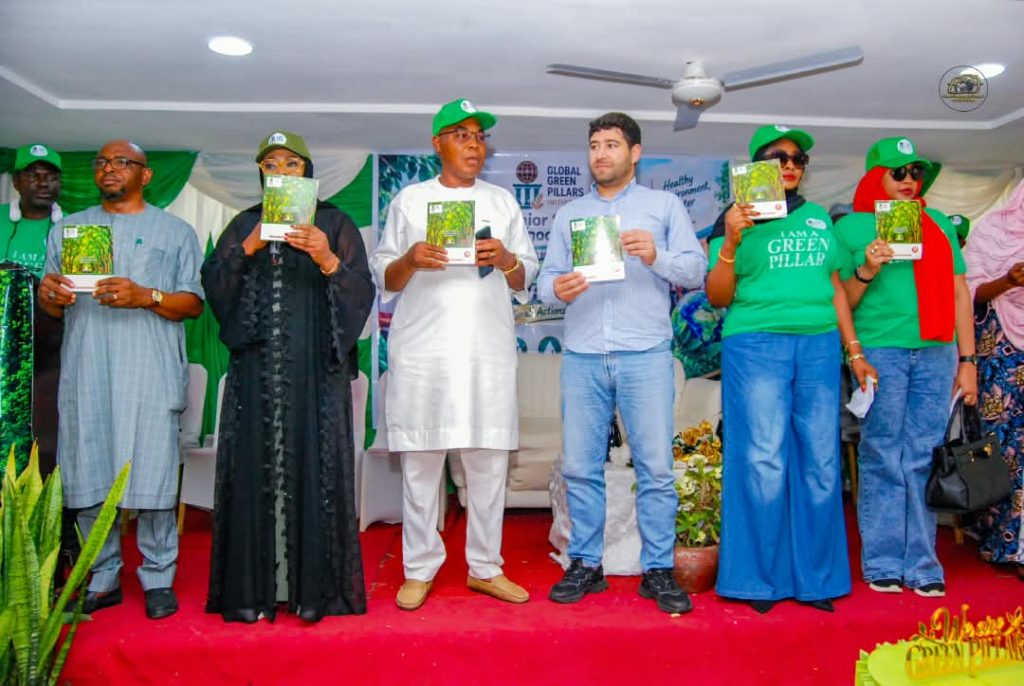
Jatto, who also serves as the State Project Coordinator of the Agro-Climatic Resilience in Semi-Arid Landscapes (ACReSAL) Project, said the programme was part of her personal commitment to environmental advocacy, climate education and girl-child empowerment.
Speaking at the flag-off ceremony, she said environmental protection must begin with young people and that schools provide an important platform for building sustainable habits.

“This is a personal mission for me, among several others I have undertaken over the years to make our environment friendly and healthy. I believe that true environmental change must start with our young people. If we teach a child to plant and nurture a tree today, we are raising a generation that will protect the earth tomorrow,” she said.
Jatto explained that trees help absorb carbon dioxide, release oxygen, protect soil from erosion and support efforts to combat desert encroachment. She also highlighted their role in water conservation, groundwater recharge, flood reduction and the creation of cooler environments for learning.
According to her, economic trees such as mango, cashew, moringa and orange can provide food, improve nutrition and generate future income for families and schools, while supporting biodiversity by providing habitats for birds and other organisms.
She added that introducing tree planting in schools would teach students patience, responsibility, community service and environmental stewardship.
Jatto also noted that green school environments could help reduce stress, improve concentration and support academic performance.
“When tree planting becomes a culture in secondary schools, we will no longer need to enforce environmental protection, the children themselves will become its protectors,” she added.
Beyond environmental conservation, the programme seeks to address some of the educational and health challenges affecting schoolchildren, particularly adolescent girls.
The writing materials are intended to ease the financial burden on parents and encourage school retention, while the reusable sanitary pads are designed to support menstrual hygiene and help reduce school absenteeism associated with menstrual challenges.
According to Jatto, the washable sanitary pads can be used for up to 12 months.
“This is a holistic approach to a friendly and healthy environment. We are planting trees for a healthy environment, we are planting knowledge with books for a healthy mind, and we are planting dignity with reusable pads for a healthy girl-child,” she said.
The programme covers secondary schools in Adavi, Ajaokuta, Okehi, Okene and Ogori-Magongo Local Government Areas of Kogi Central.
Also speaking at the event, Mr Samson Ibenu of the Agro-Climatic Resilience in Semi-Arid Landscapes (ACReSAL) project educated the students on environmental protection and the effects of climate change.
Ibenu introduced the students to the principles of the 3Rs – Reduce, Reuse and Recycle – explaining how the practices could help minimise waste, conserve resources and promote environmental sustainability.
The programme featured interactive sessions that allowed the students to engage with the facilitators and learn practical ways to protect their environment.
In his remarks, the Principal of GYB Model School, Yusuf Hussein, appreciated the organisers for the intervention, commending the initiative for bringing environmental education and learning support directly to the students.
The event concluded with symbolic tree planting involving Jatto, teachers, students and GGPI volunteers, as well as the inauguration of Green Clubs in the participating schools to sustain the environmental education campaign.
The initiative brings together tree planting, climate awareness, educational assistance and menstrual hygiene support, with the Green Clubs expected to encourage students to maintain the trees and promote environmental responsibility within their schools.
About Post Author