Kogi State Governors and Military Administrators Since Creation: A Historical Profile
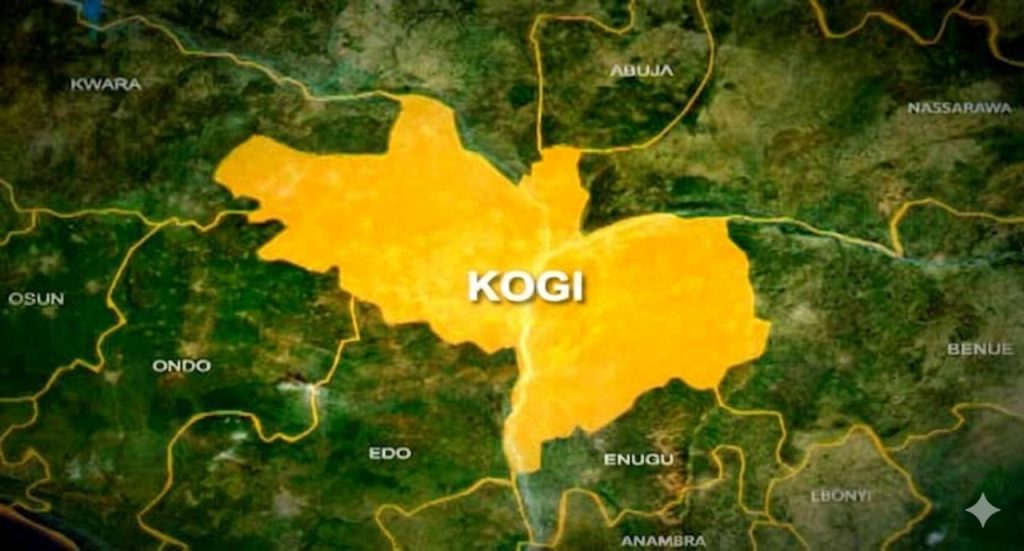
Since its creation on 27 August 1991, Kogi State has witnessed a fascinating and sometimes turbulent political journey shaped by military rule, democratic transitions, electoral disputes, judicial interventions and the emergence of successive political leaders.
Created from parts of the old Benue and Kwara States by the administration of then military Head of State, General Ibrahim Badamasi Babangida, Kogi was established as part of a broader effort to bring government closer to the people and accelerate socio-economic development in the area. The state government describes its creation as a reunification of communities that had previously been separated by the 1976 state creation exercise.
From the first military administrator, Danladi Mohammed Zakari, to the incumbent governor, Ahmed Usman Ododo, the history of Kogi State has been shaped by 11 individual leaders, although the state has recorded more leadership transitions because Abubakar Audu and Ibrahim Idris each served two separate periods.
Here is the story of the men who have governed Kogi State since its creation.
Danladi Mohammed Zakari: The First Military Administrator
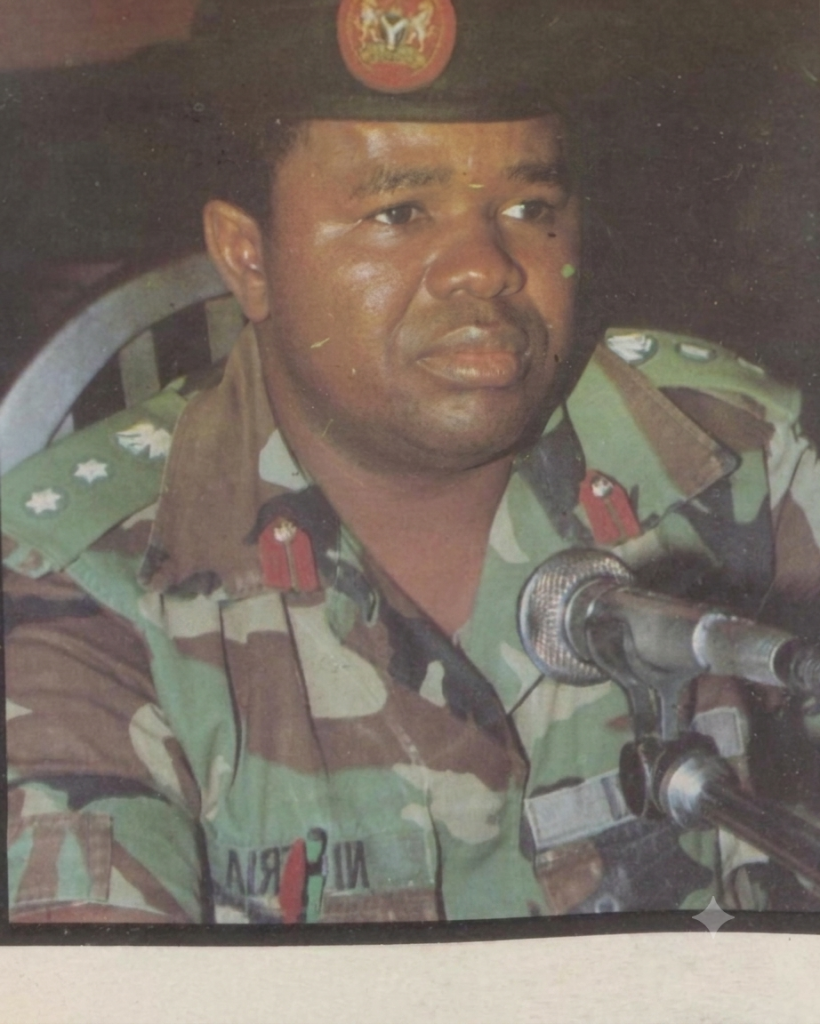
When Kogi State was created on 27 August 1991, Brigadier General Danladi Mohammed Zakari became its first military administrator.
He assumed office on 28 August 1991 and remained in charge until January 1992, during the military administration of General Ibrahim Babangida.
Said to be a native of Onicha-Igo in Ofu LGA of Kogi State, Zakari’s administration had the historic responsibility of laying the foundation for the new state’s bureaucracy and administrative institutions. As the first leader of the newly created state, his government had to establish the basic structures required to run ministries, departments and agencies.
His administration lasted only a few months, but his place in Kogi’s history remains permanent: he was the first person to govern the state.
Prince Abubakar Audu: Kogi’s First Elected Governor and Political Pioneer
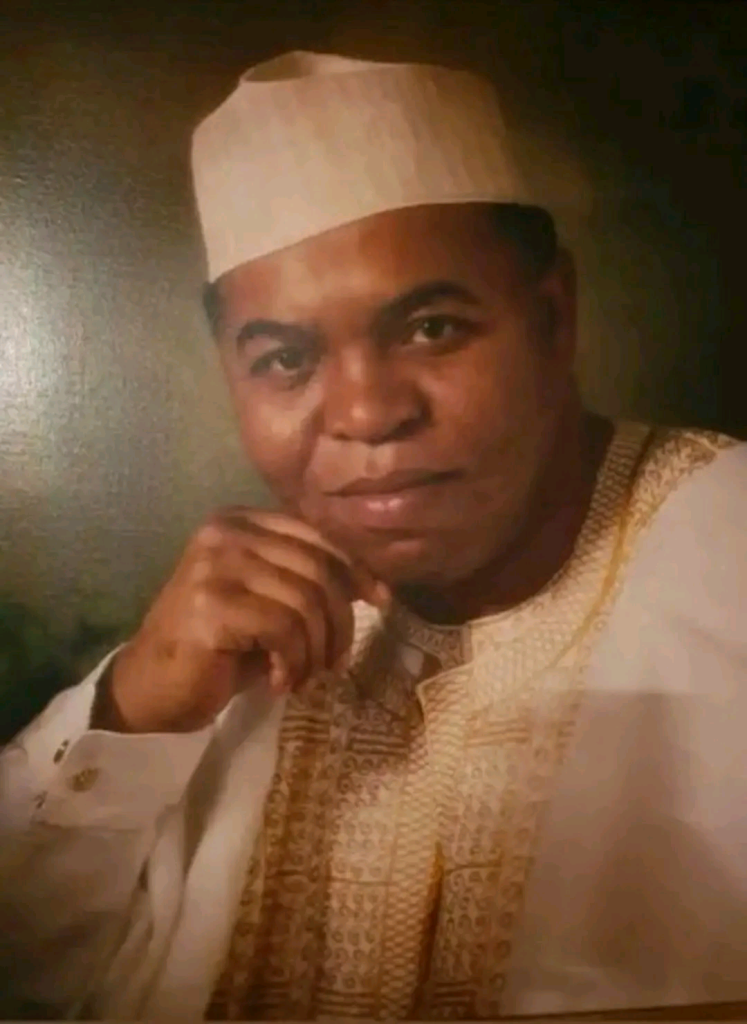
The transition from military administration to civilian rule brought Prince Abubakar Ado Ibrahim Audu to power as Kogi State’s first democratically elected governor.
Audu assumed office in January 1992 under the platform of the National Republican Convention (NRC).
His first administration was, however, cut short by the military takeover of November 1993, which brought the democratic experiment to an abrupt end.
But Audu’s political journey was far from over.
Audu is a native of Ogbonicha, Ofu LGA of Kogi State. He returned to power on 29 May 1999, following Nigeria’s return to democratic rule, this time on the platform of the All People’s Party (APP), later associated with the All Nigeria Peoples Party (ANPP).
He governed until 29 May 2003, becoming the first, and so far only Kogi governor to serve two non-consecutive terms.
Audu, who hailed from Ofu Local Government Area of Kogi State, remains one of the most significant figures in the state’s political history. His career also took another dramatic turn in 2015 when he contested the governorship election as the APC candidate but died before the final electoral process was concluded.
His death on 22 November 2015 added another extraordinary chapter to Kogi’s political history.
Colonel Paul Omeruo: The Return of Military Rule

The collapse of the Third Republic brought military rule back to Kogi State.
On 9 December 1993, Colonel Paul Uzochukwu Omeruo assumed office as military administrator.
A native of Ikwuano LGA of Abia state, Omeruo governed Kogi until 22 August 1996, overseeing the state during the military administration of General Sani Abacha.
His tenure lasted nearly three years before he was replaced by another military officer.
Colonel Bzigu Afakirya: Another Military Chapter

Colonel Bzigu Lassa Afakirya became Kogi State’s next military administrator on 22 August 1996.
A native of Askira-Uba LGA of Borno State, he remained in office until August 1998.
His administration was part of the final phase of military rule in Kogi State. One of the administrative actions associated with his tenure was the reorganisation of the state’s Local Government Service Commission.
Afakirya was eventually replaced as Nigeria moved closer to another transition to democratic government.
Brigadier General Augustine Aniebo: The Last Military Administrator

Brigadier General Augustine Aniebo became the third and final military administrator of Kogi State in August 1998.
A native of Umunze in present-day Anambra State, Aniebo had previously served as military administrator of Borno State.
His tenure in Kogi coincided with the transition programme of the military administration headed by General Abdulsalami Abubakar.
On 29 May 1999, Aniebo handed over power to the newly elected civilian administration of Abubakar Audu.
That historic handover marked the end of military administration in Kogi State.
Since then, the state has remained under civilian democratic rule.
Abubakar Audu Returns: The First Governor of the Fourth Republic
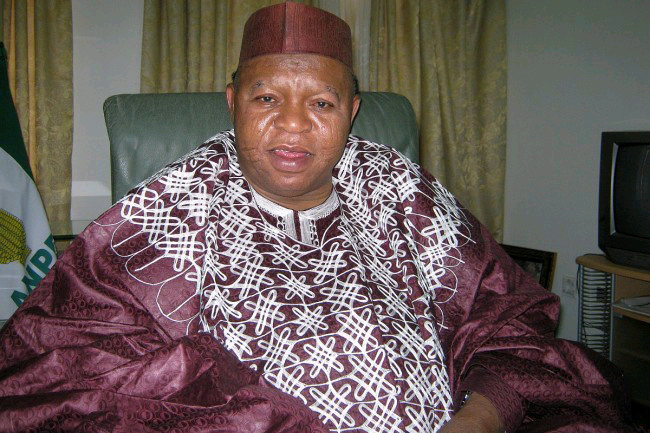
On 29 May 1999, Prince Abubakar Audu returned as governor, beginning his second, non-consecutive term.
His victory made him the first civilian governor to lead Kogi State in the Fourth Republic.
His second administration lasted four years, ending on 29 May 2003.
Audu’s return established a significant precedent in Kogi’s political history and cemented his reputation as one of the state’s most influential political figures.
He remains the only person to have governed Kogi State during both the early 1990s democratic experiment and the Fourth Republic.
Ibrahim Idris: The Longest-Serving Governor Before Yahaya Bello
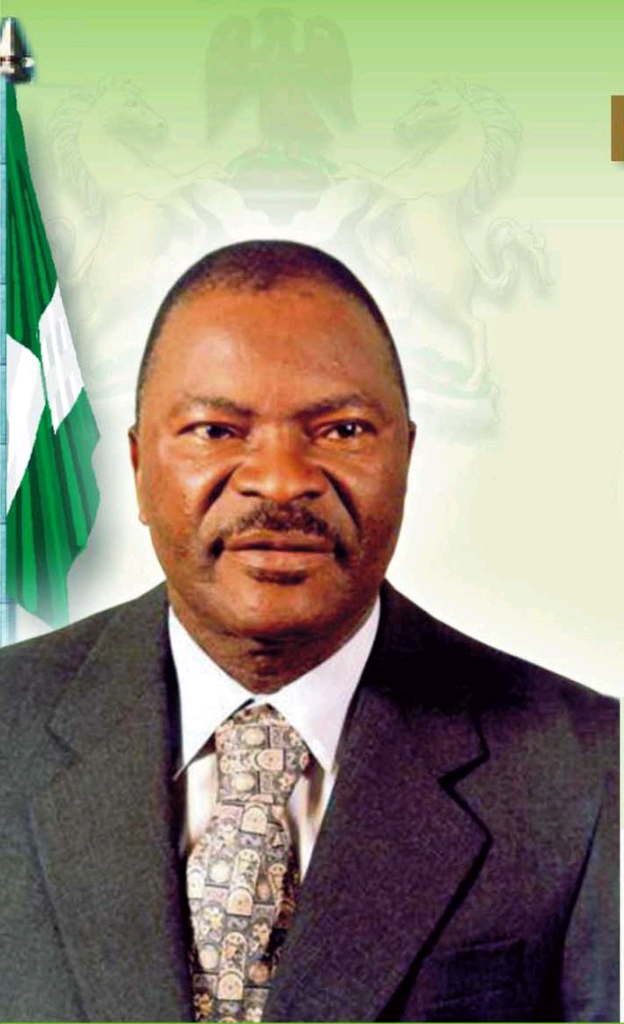
Alhaji Ibrahim Idris succeeded Abubakar Audu on 29 May 2003, beginning an administration that would ultimately span almost nine years, although with an interruption.
Idris governed under the platform of the Peoples Democratic Party (PDP).
His first tenure lasted from 29 May 2003 to 6 February 2008.
A major legal battle subsequently disrupted his administration, leading to the emergence of Clarence Olafemi as acting governor.
Following a fresh electoral process, Idris returned to office on 5 April 2008 and remained governor until 26 January 2012.
His combined tenure made him one of the longest-serving governors in Kogi’s history.
Clarence Olafemi: The Briefest Governorship in Kogi’s History
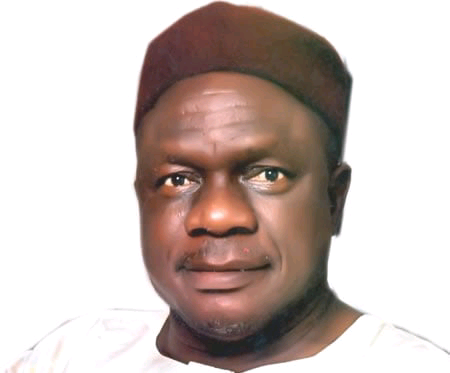
The political crisis surrounding Ibrahim Idris produced one of the most unusual episodes in Kogi’s political history.
Rt. Hon. Clarence Olafemi, then Speaker of Kogi State House of Assembly, became acting governor on 6 February 2008.
A native of Mopa-Muro LGA of Kogi State, his tenure lasted only a short period before Ibrahim Idris returned to office on 5 April 2008 following a fresh electoral process.
Olafemi’s time in office was brief, but historically significant.
He remains the only person to have served as acting governor of Kogi State since the return to democratic rule in 1999.
Captain Idris Wada: The Pilot Who Became Governor

On 27 January 2012, Captain Idris Ichalla Wada became governor of Kogi State.
A trained pilot and aviation professional, Wada emerged as the candidate of the Peoples Democratic Party.
His administration lasted one full four-year term, from 2012 to 2016, with Yomi Awoniyi serving as deputy governor.
A native of Odu, Dekina LGA, Wada’s tenure was defined in part by the highly controversial 2015 governorship election, which produced one of the most dramatic electoral episodes in Kogi’s history.
The APC’s candidate, former governor Abubakar Audu, died during the electoral process before the final result was declared. The development eventually paved the way for Yahaya Bello, who had initially been the runner-up in the governorship primary election, to emerge as the APC’s candidate for the supplementary election.
Wada left office on 27 January 2016.
Yahaya Bello: The Young Governor Who Served Eight Consecutive Years

Alhaji Yahaya Adoza Bello assumed office on 27 January 2016, becoming the fourth elected governor of Kogi State in the Fourth Republic.
His emergence followed the extraordinary circumstances surrounding the 2015 governorship election and the death of APC candidate Abubakar Audu.
Bello, from Agasa, Okene Local Government Area, subsequently won the supplementary election and was sworn in as governor.
He secured re-election in 2019, becoming the first governor in Kogi’s Fourth Republic history to serve two consecutive four-year terms.
His eight years in office, from 2016 to 2025, were marked by major investments and programmes in areas including infrastructure, education, healthcare, security and public administration, alongside significant political controversies and debates over governance.
Bello left office on 27 January 2024, after completing two terms.
His departure brought to an end one of the longest continuous administrations in Kogi’s political history.
Ahmed Usman Ododo: The Current Governor of Kogi State
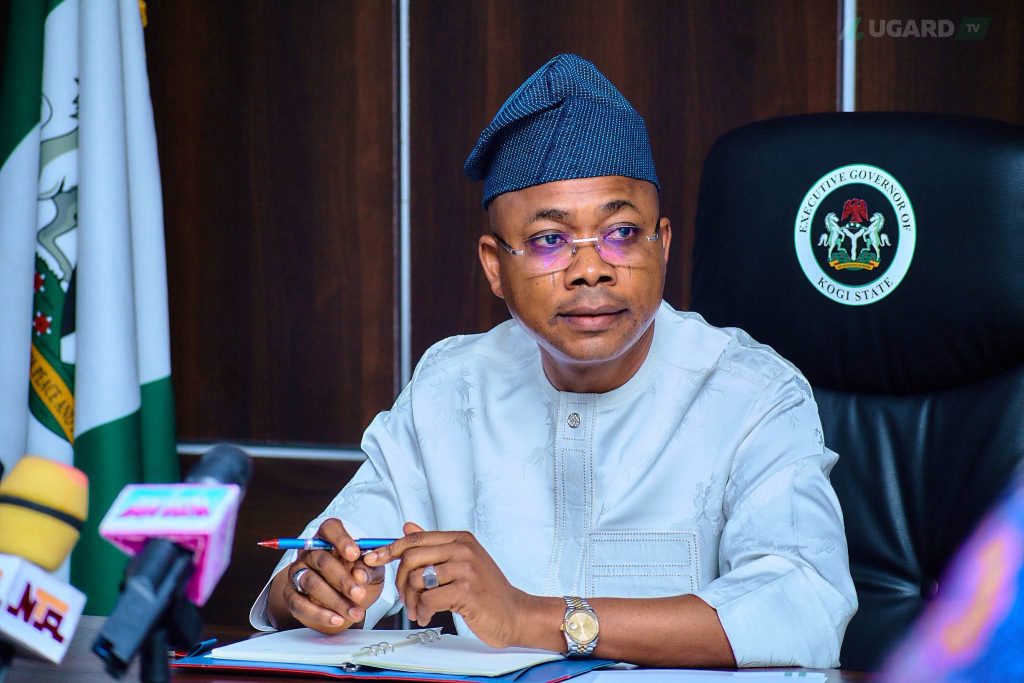
On 27 January 2024, Alhaji Ahmed Usman Ododo was sworn in as the sixth elected governor of Kogi State in the Fourth Republic.
He succeeded Yahaya Bello after winning the 11 November 2023 governorship election on the platform of the All Progressives Congress (APC).
Before becoming governor, Ododo, a native of Upogoro, Okene Local Government Area, served as Auditor-General for Local Governments in Kogi State.
His administration has emphasised what it describes as a policy of continuity and consolidation, with attention to security, infrastructure, education, healthcare, agriculture, youth empowerment and economic development.
Security has remained a major focus of his administration, with the government highlighting collaboration with federal security agencies and investments in security operations and equipment.
As of July 2026, Ahmed Usman Ododo remains the incumbent governor of Kogi State.
The political history of Kogi State mirrors Nigeria’s broader journey from military rule to democratic governance.
The state began its existence under military administration, experienced its first democratic government in 1992, returned to military rule in 1993 and finally entered the uninterrupted democratic era in 1999.
Since then, Kogi has witnessed the administrations of Abubakar Audu, Ibrahim Idris, Clarence Olafemi, Idris Wada, Yahaya Bello and Ahmed Usman Ododo. Each administration has left its own imprint on the state.
Audu remains remembered as the pioneer of Kogi’s democratic governance. Idris presided over one of the state’s longest political administrations. Olafemi occupies a unique place as the only acting governor. Wada brought an aviation background to the state’s leadership. Bello became the first governor to complete two consecutive elected terms in the Fourth Republic, while Ododo now leads the state under a platform of continuity and consolidation.
From Danladi Zakari’s pioneering military administration in 1991 to Ododo’s ongoing democratic leadership, the story of Kogi State is ultimately a story of political evolution, a journey shaped by military interventions, democratic transitions, electoral battles, judicial decisions and the changing aspirations of a state that sits at Nigeria’s geographical centre.
Writen By Abdulkerim Haruna (Kerry)
Publisher, InsideStoryNews.com
About Post Author