Kogi AGILE train facilitators to strengthen education, empowerment of out-of-school girls’
By Stephen Adeleye
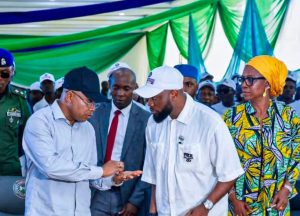
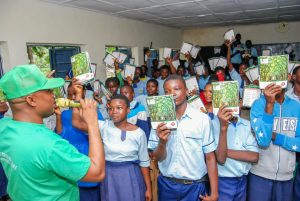
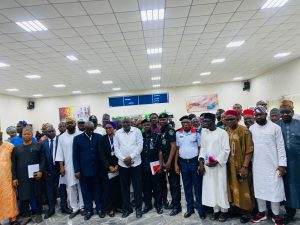
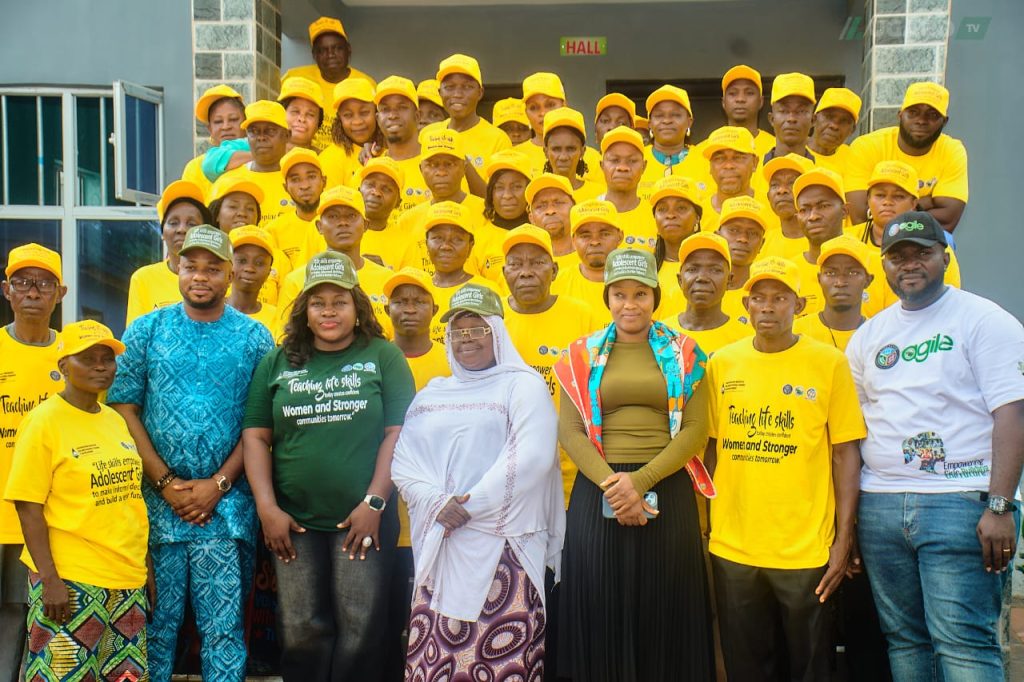
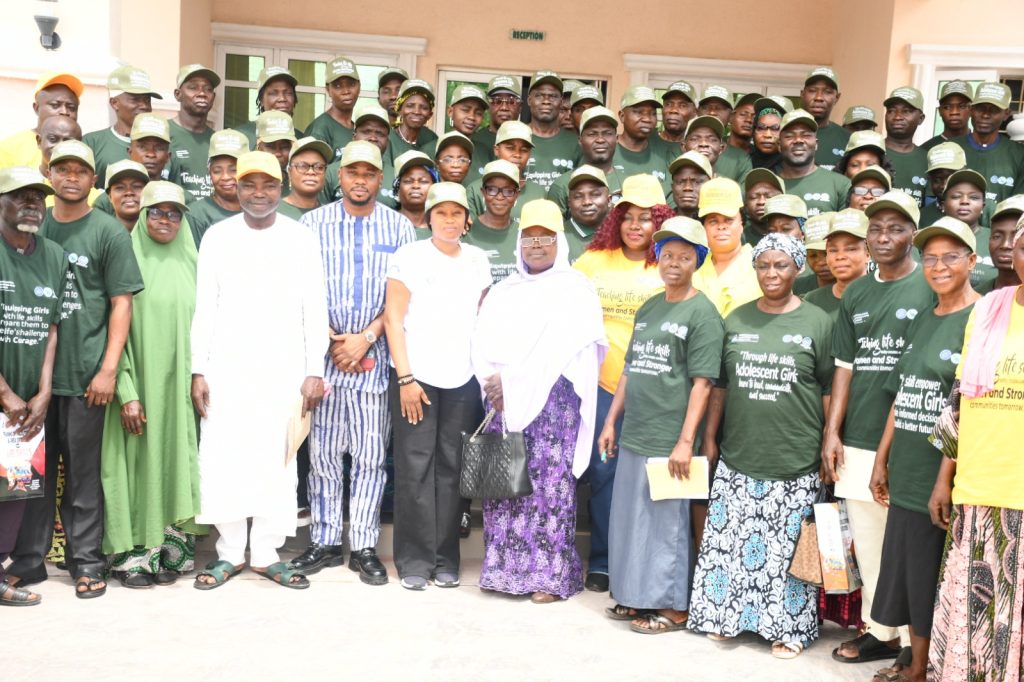
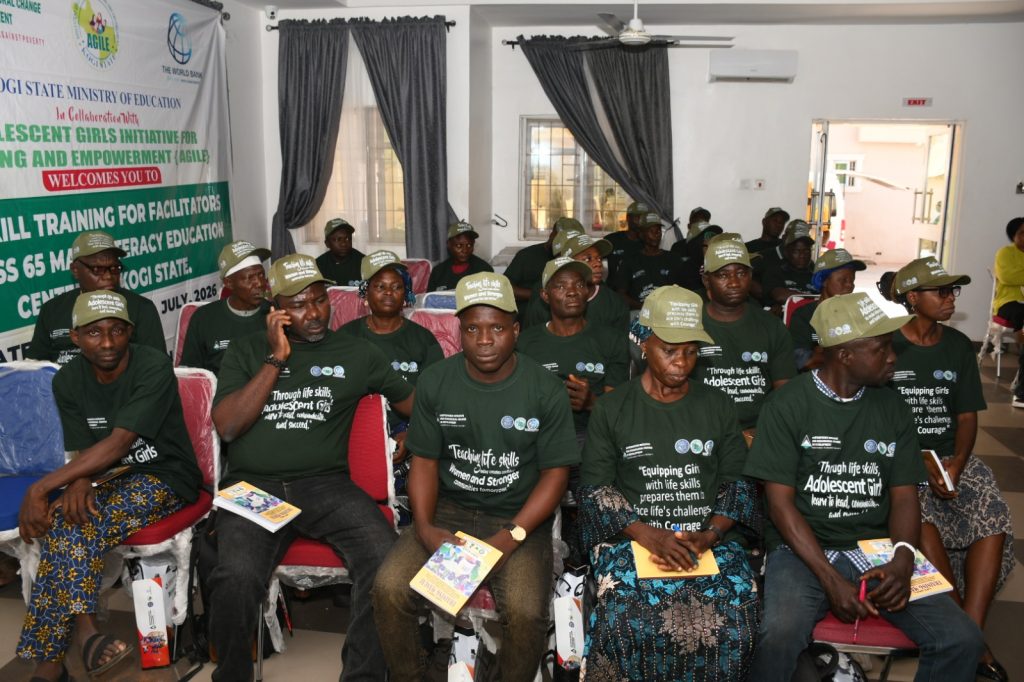
The Kogi State Adolescent Girls Initiative for Learning and Empowerment (AGILE) Project, has trained facilitators from 65 Mass Literacy Education Centers on life skills to improve learning outcomes for vulnerable adolescent girls in the state.
The three-day capacity-building programme, held in Okene, Anyigba and Lokoja under the Alternative Education component, was implemented in partnership with the Participation Initiative for Behavioural Change in Development (PIBCID).
It drew facilitators from the 21 Local Government Areas.
Speaking on Monday in Okene, the State Project Coordinator, Alhaji Ahmed Tijani Oricha, FCNA, described the training as a strategic investment in human capital.
He said education must go beyond literacy and numeracy to include life skills that help young people make informed decisions.
“The success of this intervention depends largely on the quality of our facilitators. They are not merely instructors; they are mentors, role models and agents of transformation,” Oricha stated.
He added that the 65 centers, supported by the World Bank, demonstrate government’s commitment to ensuring no girl is left behind.
Delivering the technical overview, the Sub-component Lead for Alternative Education, Hajia Mariam Bello, said the curriculum was designed to address realities facing out-of-school girls aged 13 to 24, including poverty, early marriage, gender-based violence, low self-esteem and poor health awareness.
Bello listed the thematic areas to include self-confidence, communication, financial literacy, menstrual hygiene management, reproductive health, GBV prevention, counselling, psychosocial support and conflict resolution.
She noted that facilitators must combine technical knowledge with empathy to inspire behavioural change.
Also speaking, the Executive Director of PIBCID, Mrs Racheal Akande, said life skills are critical to breaking the cycle of poverty and exclusion.
She urged facilitators to adopt participatory teaching methods and uphold confidentiality and dignity when handling sensitive issues.
“Many of the girls you will engage have experienced difficult life situations. Your responsibility extends beyond teaching. You must listen without judgement and help them rediscover their potential,” Akande said.
Participants commended AGILE for the training, describing it as practical and relevant.
They pledged to step down the knowledge and create safe, inclusive learning environments in their centers.
The AGILE Project targets out-of-school girls, vulnerable girls and girls living with disabilities across rural and urban communities in Kogi State.
End
About Post Author